Maximizing Outdoor Spaces with Extra Large Planter Boxes
Intro
Extra large outdoor planter boxes have increasingly become a focal point in contemporary gardening and landscaping. With their inviting presence, these boxes can easily transform any dull outdoor space into a lush mini-paradise. Whether you are a homeowner hoping to spice up your backyard or a landscape architect aiming for functionality and aesthetic appeal, understanding the potential of these planter boxes is crucial.
These sizeable planters offer numerous advantages, from housing a variety of flora to enhancing the overall look of your property. They are not just practical; they have the ability to elevate outdoor settings, making them an invaluable asset for both functional and decorative purposes. In this article, we will navigate through various aspects that make extra large outdoor planter boxes an appealing choice and how they can be effectively integrated into your environment.
By examining current market trends, emerging styles, materials, and practical tips for utilization and care, we hope to inspire readers to take the leap into the world of outdoor gardening with confidence. Let’s dig deeper into what these planter boxes can offer and how they can be the cherry on top of your outdoor design.
Foreword to Extra Large Outdoor Planter Boxes
In today’s gardens, the aesthetics and functionality of outdoor spaces have become a focal point for homeowners and designers alike. Among the various elements that contribute to the beauty of these areas, extra large outdoor planter boxes stand out for their versatility and impact. They are not simply containers for plants; instead, they are integral components that can transform an ordinary yard into a vibrant landscape.
The significance of these planter boxes encompasses more than their size. Being larger than standard options, they provide ample room for diverse plant selections and offer a unique opportunity to design with layers and textures. By utilizing space creatively, these planters can host an array of flowers, herbs, or even small trees, effectively maximizing the potential of a garden space, regardless of its size.
Furthermore, extra large planter boxes serve multiple purposes - they can act as visual boundaries, define spaces within a garden, and elevate the surrounding aesthetic. Homeowners looking to add dimension to previously flat outdoor areas will find them especially valuable. The benefits of incorporating these planters extend beyond mere decoration; they can also enhance sustainability by providing habitats for pollinators and supporting environmental diversity.
When delving deeper into the world of outdoor planter boxes, it’s essential to consider not only their design and impact on landscapes but also the myriad materials and styles available. Choosing the right planter involves more than functionality; it’s about aligning with the overall vision of the outdoor environment.
Thus, in this exploration of extra large outdoor planter boxes, we will look into specific characteristics, the various materials used, and the best practices for assembling and maintaining them. By understanding these elements, we craft an opportunity to create stunning outdoor spaces that resonate with both practicality and beauty.
"A well-placed planter box can turn an overlooked corner into a vibrant focal point."
From creating inviting entrances to enhancing linear garden styles or even defining outdoor dining spaces, the potential applications are extensive. This article aims to provide a comprehensive guide that connects practical considerations with creative inspiration, ensuring that every gardener, designer, or DIY enthusiast can make the most of extra large planter boxes in their outdoor projects.
Defining Size and Scope
When it comes to extra large outdoor planter boxes, size and scope aren’t just mere measurements; they’re the cornerstone of what defines the utility and aesthetic of your outdoor spaces. Understanding these factors can help you make informed decisions about what will fit well in your garden or patio. After all, a well-placed planter not only enhances the look of your property but can also serve practical purposes like gardening or privacy screening.
Dimensions and Volume Considerations
The dimensions of extra large planter boxes can significantly influence how plants grow and flourish within them. A larger volume allows for a greater amount of soil, which can help in retaining moisture and nutrients. This aspect is crucial for certain plants that thrive in larger root environments. Choosing the right dimensions is not just about filling a space; it’s about meeting the needs of the flora you intend to cultivate.
For instance, consider the height, width, and depth of the planter. A box that’s too shallow may not accommodate the root system of larger plants—such as hydrangeas or small trees. Meanwhile, even if dimensions are ample, the shape can also affect the airflow and drainage. Planters with wide bases tend to provide stability, preventing tipping in windy conditions.
Some key points to keep in mind:
- Height: Helps in soil temperature moderation, especially in colder months.
- Width: Provides adequate growing space and promotes healthy root expansion.
- Depth: Essential for large plant species that require substantial rooting space.
"Understanding the expected size of plants will help you select the right volume for your planter box," as gardening experts often say. It’s a matter of matching plant needs with the right space.
Comparing Sizes with Standard Planter Boxes
When comparing extra large planters to standard ones, the differences often jump right out at you—literally! Standard planter boxes tend to be more compact and can limit choices for gardeners. An extra large option opens the gate to more creativity and variety in your planting.
With a standard box, you are often confined to smaller plants like annuals or small perennials. In contrast, an extra large planter box offers the opportunity to cultivate a diverse garden that may include shrubs or even small trees. This translates into a more intricate landscape that can provide multi-season interest.
Moreover, standard sizes may need to be replaced or supplemented more regularly, which can rack up costs over time. A one-time investment in an extra large planter not only offers durability but also scalability, allowing you to shift or change your planting scheme as your tastes evolve.
When making a choice:
- Take into account the overall space you have available. Large planter boxes can take up significant real estate in a yard or patio, but they can also be a focal point.
- Think about planting orientations. Are you planning to create a display or an edible garden? Extra large boxes can accommodate both.
- Maintenance considerations also come into play. Larger boxes may require less frequent watering due to their greater soil volume.
Choosing the right size and scope of your planter boxes can set the tone for your entire outdoor space. It’s an investment in both beauty and functionality.
Material Options for Planter Boxes
Choosing the right material for outdoor planter boxes is a critical factor in ensuring both aesthetic appeal and functional longevity. The material not only defines the look of your garden but also impacts its eco-friendliness, durability, and maintenance needs. With a range of options available, it's important to understand the pros and cons of each to make an informed decision that complements your outdoor space.
Wooden Planters: Pros and Cons
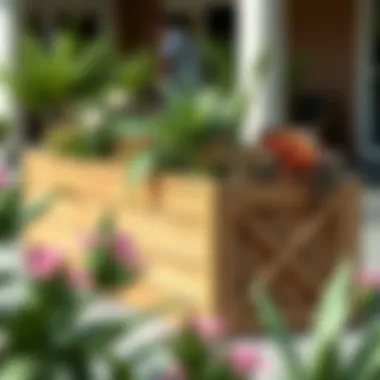
Wooden planters have a classic charm that many homeowners find appealing. They blend seamlessly into natural surroundings, offering a warm aesthetic. Commonly made from cedar or redwood, wooden planters have some notable advantages:
- Natural Insulation: Wood provides excellent insulation for soil, helping to maintain moisture and temperature—an absolute boon during extreme weather.
- Eco-Friendly: When sourced from sustainable forests, wood is a renewable resource, making it a more environmentally-friendly option compared to synthetics.
- Customizable: Wooden boxes can be easily painted or stained, allowing for personalized designs to match outdoor decor.
However, wooden planters do have their downsides:
- Maintenance Required: They'll need treatment to prevent rotting and pest infestation. Without regular maintenance, wooden planters might not last as long.
- Weight: Depending on the design and thickness, some wooden planters can be quite heavy, complicating placement.
In summary, while wooden planters offer timeless beauty, they require a bit of effort to ensure they stand the test of time.
Metal Planters: Durability and Style
Metal planters are gaining popularity for their modern appeal and unbeatable durability. Often made of steel, aluminum, or galvanized metal, they provide a sleek aesthetic that suits contemporary gardens. Here are some points to consider:
- Longevity: Metal can withstand harsh weather conditions without cracking or fading, making it a great long-term investment.
- Efficient Drainage: Many metal containers come with built-in drainage holes, which facilitate water flow and prevent waterlogging.
- Variety of Designs: From bold colors to minimalist aesthetics, metal planters are available in a variety of styles to suit any creative vision.
Nonetheless, it's crucial to be aware of potential downsides:
- Heat Retention: Metal can absorb heat during warmer months, which may lead to faster evaporation of soil moisture, necessitating more frequent watering.
- Rust and Corrosion: If not treated properly, metal planters may succumb to rust. Hence, it is advisable to look for rust-resistant options or apply protective coatings.
Metal planters represent a balance of form and function, ideal for those who appreciate modern design and want their planters to last.
Plastic Composite Planters: Lightweight and Versatile
Plastic composite planters are often a go-to choice for many gardeners due to their lightweight nature and low maintenance requirements. These planters are typically made from a blend of recycled materials and can offer a range of colors and styles. Here are their standout features:
- Affordability: Plastic composite planters tend to be more budget-friendly, making them accessible for those starting their gardening journey.
- Lightweight: Their lightweight nature allows for flexible rearrangement, ensuring easy placement wherever you need them.
- Weather Resistant: Most plastic composites are designed to withstand UV rays, ensuring vibrant colors do not fade and structure remains intact.
Despite their advantages, there are a couple of things to keep in mind:
- Less Breathable: Plastic does not allow for as much air circulation as natural materials like wood, which could lead to root issues if plants are overcrowded.
- Environment Concerns: While some brands use recycled materials, others do not, which may not appeal to environmentally-conscious gardeners looking for sustainable options.
In short, plastic composite planters offer a practical and versatile solution, especially for those in search of low-maintenance options for their outdoor setups.
Design Elements to Consider
When it comes to extra large outdoor planter boxes, the design elements play a pivotal role in not only enhancing visual appeal but also aligning the planters with the broader landscape. The type of planter you choose can turn a simple garden nook into a stunning focal point. Understanding the crucial elements of design helps you make choices that are both aesthetic and functional, ensuring that your planters thrive in their environment while complementing your outdoor space.
Styles and Finishes: Aligning with Outdoor Aesthetics
Selecting the right style and finish for your planter boxes is akin to choosing the perfect outfit for a special occasion; it can make or break the overall effect. Here are some styles that harmonize well with various outdoor aesthetics:
- Modern Minimalist: Clean lines and simple finishes can bring a contemporary flair to any space. Materials like metal or sleek, painted wood fit well into a modern garden.
- Rustic Charm: Weathered wood finish or distressed metal can evoke a natural feel, suitable for more traditional or farmhouse-style gardens. Incorporating materials that look aged can create warmth in your outdoor area.
- Sophisticated and Elegant: Think of ornate designs or balconies made of wrought iron or ceramic with intricate detailing. These styles suit formal gardens and upscale properties.
- Eclectic Mix: Sometimes, blending styles can do wonders. A vibrant, colorful planter can serve as a standout piece in a subdued setting, adding unexpected delight.
When choosing finishes, consider durability as well. For instance, stain treatments can protect wooden planters against the elements, while powder-coated finishes on metals can resist rust and wear. Always aim for finishes that not only look good but also enhance the longevity of your planters.
Integrating Planters into Landscaping
Integrating extra large planters into landscaping requires a thoughtful approach. It's not merely about plopping them down wherever there's space; it's about crafting a harmonious relationship between the planters and the overall design of your garden.
- Strategic Placement: Position planters along pathways, at entrances, or in seating areas provides visual interest and can guide movement through the space. Large planters can act as natural dividers that separate areas while still allowing them to feel connected.
- Layering Effect: By using planters of various heights and sizes, you can create layers that add depth to your landscape design. Taller plants in the back and shorter ones in the front create a natural, graduated look.
- Sculptural Attributes: Sometimes the planter itself can be a statement piece. A beautifully designed planter can become a piece of art within your outdoor space, drawing attention even without the inclusion of plants. Have fun experimenting with bold shapes or unusual materials; it’s all about what fits your personal style.
- Plant Choices: Incorporate plants that complement your chosen design elements. For instance, blooming plants in bold colors can liven up a minimalist setting, while lush greenery may blend seamlessly into a rustic landscape. The goal is to create a cohesive look that feels intentional and well thought out.
"A well-designed planter doesn't just hold plants; it tells a story, harmonizing elements of nature with human creativity."
In summary, when considering design elements for your extra large outdoor planter boxes, focus on styles that complement your aesthetic while ensuring that they are effectively integrated into your landscaping. Keep functionality in mind as you explore options that bring both beauty and practicality to your outdoor spaces.
Placement Strategies for Optimal Growth
Placement of extra large outdoor planter boxes is as vital as choosing the right plants to fill them. The ideal placement can aid in enhancing both the aesthetic appeal and the health of the plants housed within. When strategizing where to place your planter boxes, several key elements come into play, including the quality of sunlight, proximity to water sources, and even the visibility from various vantage points in your outdoor space.
A well-placed planter can become a focal point in your garden, drawing the eye and enhancing the overall design. On top of simply looking good, thoughtful placement allows for improved plant growth, which leads to robust greenery flourishing throughout the seasons. Without optimizing placement, you might end up with shaded areas that stunt growth or areas too sunny that dry out the soil quickly. Thus, there are benefits aplenty to consider when deciding where your extra large planter will sit.
Sunlight and Shade Considerations
When thinking about where to put planter boxes, it’s crucial to evaluate the sunlight exposure throughout the day. Different plants have distinct needs when it comes to sunlight. Some thrive in full sun, while others prefer a more subdued light condition or dappled shade. For instance,
- Succulents and cacti usually require full sun to prosper, making a southern exposure ideal.
- On the other hand, ferns and shade-loving plants can wilt in direct sunlight, thus they flourish better in partially shaded spots.
Positioning your planter boxes in a way that aligns with these light requirements can create a vibrant, thriving garden. If your outdoor area has varying light conditions, mixing plants according to their light preferences can lead to a visually stunning array of flora.
Creating shade for tender plants can also be done with smart positioning of taller planters. For example, placing a planter with taller plants on the tougher side will create a shaded refuge for shorter plants nearby. This adaptability not only takes advantage of what's already in your garden but also helps maintain a healthy ecosystem within your plant boxes.
Accessibility and Visibility in Design
Another aspect worth considering is how easily you can access your planter boxes for maintenance tasks such as watering, pruning, or harvesting.
- Accessibility can significantly alleviate the labor required to maintain your plants. Planter boxes should ideally be positioned at a height that makes it easy to reach the top. For larger plans, consider implementing a tiered design which allows for easy access to varying height levels.
Visibility is about more than just aesthetics; it also impacts how often you notice your plants and consequently, how often they get the care they need. Strategically placing your planters within sightlines from the home can encourage more interaction with them. Think of ways to utilize areas near pathways or seating arrangements to promote engagement with the greenery.
Another significant point is to maintain good airflow around the plants while ensuring they are not crowded. An open structure around your planter boxes aids in the necessary airflow, thus preventing potential mold and diseases from developing.
Proper placement of your extra large planter boxes is about chiming them into the overall fabric of your garden while ensuring plant health and maintenance ease.
By contemplating sunlight, shade, accessibility, and visibility, you can create an inviting space that maximizes the potential of your extra large planter boxes, ensuring they are not just decorative but functional as well.
Types of Plants Suited for Extra Large Planters
The selection of plants for extra large outdoor planter boxes is not merely another task; it's a fundamental element that can determine the aesthetic balance and functional success of your garden space. Opting for the right plants can dramatically enhance the visual appeal while also ensuring that your planter serves its purpose over time. When choosing plants, consider their growth habits, sunlight requirements, and their compatibility with one another to create a flourishing outdoor display.
Selecting Hardy Plants for Varied Climates
When it comes to hardy plants, resilience is key. These are the species that can brave through various weather conditions, thriving whether it's a blazing hot summer or a chilly winter's day. They anchor your garden, providing structure and stability, thus ensuring your planter's visual appeal remains intact year-round.
Plants such as sedum, lavender, and ornamental grasses are notable for their hardiness. They not only withstand different climatic challenges, but they also offer interesting textures and colors, adding diversity to your outdoor aesthetic.
- Sedum: Its succulent nature makes it drought-resistant, perfect for sunny patches.
- Lavender: Beyond beauty, it brings a lovely fragrance and attracts beneficial pollinators.
- Ornamental Grasses: Their graceful movement adds dynamism, even in a still environment.
But just how do you choose these hardy plants? Take a moment to consider the elements unique to your climate zone. Knowing your USDA planting zone can help maintain a vibrant collection. For example, if you're in a cooler region, opt for Hellebores or Alpine Plants that can withstand frost. If your region experiences hot summers, go for drought-resistant varieties like Agave or Yucca, which thrive under such sun-drenched conditions.
Mixing Flora for Visual Interest
Creating visual interest in your planter is akin to composing a piece of art. It's about balance, color, and variety. The juxtaposition of different species can invoke tension and harmony, leading to an overall striking impression. Combining taller plants with shorter ones and varying their foliage colors can create layers, making the display more engaging.
For example, consider pairing fuchsia blooms with lush green hostas. The fuchsia offers a vibrant pop of color, while hostas can fill out the base with their rich leaf texture. A few pairing suggestions include:
- Succulents and Cacti: For a low-maintenance, visually captivating display.
- Perennials and Annuals: Combining these can ensure year-round interest, as perennials come back every year, providing a sturdy backbone, while annuals add seasonal variety.
- Herbs and Edibles: Mixing decorative plants like basil or thyme can bring both beauty and functionality to your outdoor space.
It's important to consider height while arranging plants. Tall plants might work better in the back, or at the center if your planter is circular, enabling lower growing varieties to shine in the foreground. This practice not only allows for better visibility but also encourages growth by ensuring all plants get their fair share of sunlight.
In summary, selecting the right plants for your extra large outdoor planters is not just a critical aspect of gardening, but rather a harmonious blend of art and ecology. By choosing hardy plants and creating visually interesting arrangements, you can transform these planters into vibrant and thriving pieces of your outdoor landscape.
Maintenance Considerations
When it comes to extra large outdoor planter boxes, maintenance can often be the unsung hero behind a successful, flourishing garden. It’s easy to get swept up in the excitement of colorful blooms and lush foliage, but the reality is, without proper upkeep, that excitement can quickly wither away. Understanding maintenance considerations ensures that your plants not only survive but thrive in these expansive spaces. Regular attention to watering, fertilization, pest control, and seasonal care can lead to a vibrant garden that is not just beautiful but sustainable as well.
Watering Techniques for Large Planters
Watering in large planters isn’t as straightforward as dragging a hose and giving plants a quick soak. The expansive volume of soil can lead to uneven moisture distribution, and plants might compete for water. Here are some techniques to consider:
- Deep Watering: Focus on watering deeply once or twice a week rather than a light sprinkle every day. This technique encourages deep root growth.
- Soaker Hoses: Installing soaker hoses can significantly help with even water distribution, reducing water waste and ensuring that plants receive consistent moisture.
- Mulching: Adding a layer of organic mulch helps retain moisture in the soil, reduces evaporation, and even suppresses weeds that may compete with your plants.
- Self-Watering Systems: For those inclined towards technology, self-watering systems can be a game-changer. They can maintain consistent soil moisture without daily attention.
Maintaining the right level of moisture not only supports healthy plant development but also helps ward off pests that thrive in overly damp conditions.
Fertilization and Soil Management
Just as we nourish ourselves, plants require nutrients to flourish. Large planters can be inviting, but they also need a nutrient-rich environment. Here’s how to manage fertilization and soil care effectively:
- Quality Soil: Start with high-quality potting mix intended for container gardens. This usually contains a blend of organic matter and nutrients that can hold moisture and supply necessary elements to the plants.
- Regular Testing: Consider conducting soil tests to monitor nutrient levels and pH. This can guide you on what specific fertilizers your plants may need.
- Slow-Release Fertilizers: Using slow-release fertilizers can be beneficial. They provide nutrients over an extended period, eliminating the need for weekly feedings.
- Organic Options: Compost or worm castings can be added to enrich the soil naturally. Organic fertilizers not only nourish the plants but improve soil structure over time.
- Seasonal Care: Replenishing nutrients at the change of seasons is key. Before planting new flora, refreshing the soil with compost or fresh potting mix can set the stage for a vibrant garden.
"Maintaining soil health and applying appropriate fertilizers is paramount for consistent blossoms and abundant growth in your outdoor sanctuary."
By attending to these maintenance details, the investment in extra large outdoor planter boxes can yield returns that are more than just visual, but emotional and pivotal for your gardening journey. A little attention goes a long way towards crafting an outdoor narrative laden with life, color, and resiliency.
Sustainability and Environmental Impact
In recent years, the conversation around sustainability has taken center stage in many areas of design and construction, and the realm of outdoor gardening is no exception. Extra large outdoor planter boxes can play a significant role in promoting eco-friendly practices and enhancing the environmental aspects of landscaping. The choices made in materials and plants used within these planters can heavily influence one’s carbon footprint, as well as contribute to broader ecological health. With that said, it is important to explore how these large planters can make a significant impact on sustainability and promote an environmentally responsive gardening approach.
Eco-Friendly Material Choices
When deciding on materials for planter boxes, it’s crucial to consider the environmental implications of your choices. Eco-friendly materials not only minimize the negative impact on the planet but often lead to sturdier and more durable designs.
- Recycled Materials: Many gardeners and designers are now opting for planter boxes made from recycled plastic or reclaimed wood. Recycled materials help reduce waste by giving a second life to products that would otherwise end up as landfill. This choice can resonate well with eco-conscious consumers, providing both functionality and aesthetic appeal.
- Sustainable Wood: If you’re leaning towards wooden planters, go for timber certified by the Forest Stewardship Council (FSC). This ensures the wood has been sourced sustainably, providing ecological benefits while maintaining durability. Popular options include cedar and redwood, which not only have natural resistance to decay but also come from renewable resources.
- Biodegradable Options: Some manufacturers are creating planter boxes from biodegradable materials that decompose over time, enriching the soil as they break down. These products often come with a natural finish, integrating seamlessly into the surrounding landscape.
Choosing eco-friendly materials is not just about the immediate appearance of your planter box. It’s about understanding the life cycle of the product, the extraction of raw materials, and its eventual disposal. Every decision made could contribute to a healthier environment.
"Sustainable design is not just about materials; it’s about creating systems that support the ecosystem and foster biodiversity in our garden spaces."
Promoting Biodiversity with Plant Selection
Another aspect of sustainability in gardening with extra large planter boxes is the selection of plants. Choosing diverse and native species is essential for creating harmonious ecosystems that encourage biodiversity. Here’s how plant selection plays a vital role:
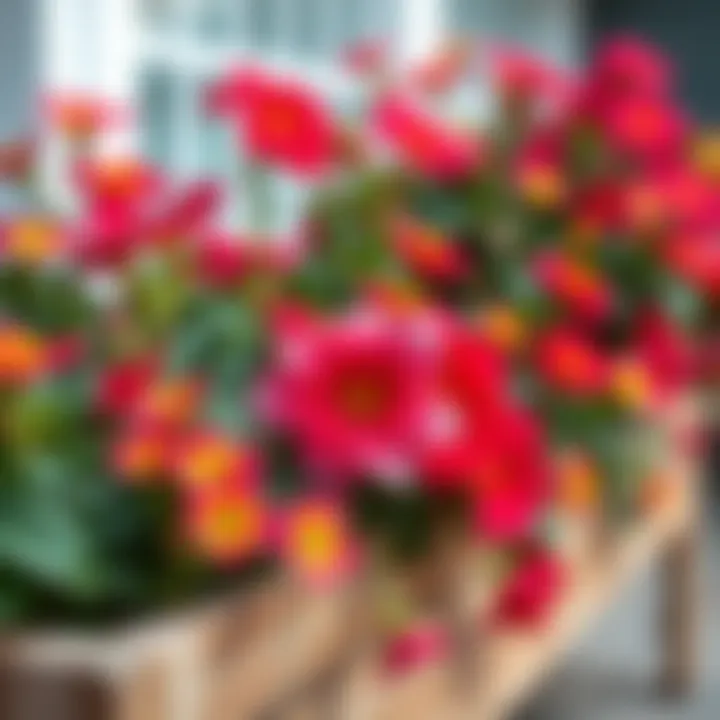
- Native Plants: Incorporating native plants is a powerful way to create a thriving habitat for local wildlife. These plants are already adapted to the regional climate and soil conditions, requiring less water and maintenance. They often attract native pollinators like bees and butterflies, contributing to overall ecological health.
- Perennials vs. Annuals: Opting for perennials that return year after year can reduce the need for replanting and the resources associated with it. These plants usually survive harsh weather conditions better than annuals, leading to lower water consumption and less fertilizer usage.
- Diversity in Planting: Mixing various species within the planter boxes can create a more resilient garden. Different plants can fill various roles in the ecosystem, from providing nectar for pollinators to stabilizing the soil with their root systems.
By selecting flora that promotes biodiversity, gardeners not only beautify their spaces but also contribute positively to the environment, making the planting process far richer than mere aesthetic appeal.
Cost Considerations and Options
When delving into the world of extra large outdoor planter boxes, understanding the potential expenses is vital. The investment involved can widely vary, influenced by factors like materials, design complexity, and whether it's a DIY project or a store-bought option. Homeowners and designers must prudently assess their budget while ensuring quality is not sacrificed for cost-saving.
"Quality means doing it right when no one is looking." – Henry Ford
This sentiment rings true when selecting planter boxes. The balance between budget and quality often determines the longevity and aesthetics of your outdoor space.
Evaluating Budget vs. Quality
Determining how much to spend on planter boxes is not a one-size-fits-all dilemma. It requires thoughtful consideration of various factors, including material durability, design features, and the environmental conditions of your garden.
- Material Costs: Each material type – wood, metal, or plastic composite – comes with its unique price tag. Generally, wooden planter boxes may start off cheaper but could require additional spending over time for maintenance. In contrast, metal planters, while pricier upfront, often promise longevity and less upkeep in harsh weather.
- Design Complexity: If you're looking for intricate designs or custom shapes, expect a heftier bill. Conversely, minimalist styles can deliver charm without breaking the bank.
- Functionality vs. Appearance: Consider what role the planter will play. An elaborate design may enhance visual appeal but could also inflate costs. Sometimes, it's better to prioritize functionality and choose a simpler design that serves its purpose well.
When evaluating budget versus quality, think about the long-term benefits. A slightly pricier yet durable option could save you money over time because you won't need to replace it as often.
DIY vs. Pre-Made Options
The debate of DIY versus pre-made planter boxes is one that many enthusiasts face. On one side, DIY offers a personal touch, while pre-made gives the advantage of convenience. Assessing the pros and cons of each can help guide your decision.
- DIY Planters:
- Pre-Made Planters:
- Pros:
- Cons:
- Cost-effective if you source your own materials.
- Customizable to fit your exact garden layout and preferences.
- Can be a rewarding project that adds a personal touch to your garden.
- Time-consuming and may require additional tools or skills you might not have.
- Potentially more expensive if you end up buying higher-quality materials to achieve your desired look.
- Pros:
- Cons:
- Generally quicker and easier. Simply place them, fill with soil, and start planting.
- Wide array of designs and materials available, making it easy to find something that fits your style.
- Pricing can vary significantly based on quality, so it’s easy to encounter an overpriced item that falls short on durability.
- Less room for customization may not suit every unique outdoor layout.
In the end, whether opting for a DIY project or going with pre-made planters, your choice should align with your preferences, skills, and financial constraints. This decision ultimately will reflect on the overall aesthetic and functionality of your outdoor space.
Innovative Uses of Extra Large Planters
In this section, we’ll examine the innovative uses of extra large outdoor planter boxes and how they can be leveraged to add value to outdoor spaces. Beyond their conventional function as mere containers for plants, extra large planters can become statement pieces and multifunctional elements in your garden. Homeowners, designers, and DIY enthusiasts alike should take a closer look at how these practical yet stylish garden components can maximize both aesthetics and functionality in any space.
Creating Elevated Gardens for Small Spaces
Utilizing extra large planters to create elevated gardens can work wonders for small or urban spaces. These elevated gardens are perfect for those who want to cultivate a variety of plants without needing vast tracts of land. The design not only saves ground space but also places plants at eye level, making it easier to maintain and appreciate them fully.
Considerations for Designing Elevated Gardens:
- Accessibility: Elevated gardens eliminate the need to kneel or bend down, which is particularly advantageous for individuals with limited mobility.
- Drainage: Ensuring that the larger planters have adequate drainage can prevent waterlogging, which often leads to plant diseases.
- Plant Selection: Choose a mix of herbs and vegetables or colorful flowers to make the most of your elevated setup. This can infuse your environment with vibrant colors and delightful scents.
Moreover, these elevated gardens can also serve as functional decor. A well-arranged planter box can act as a focal point in your outdoor area. It invites visitors to explore while adding layers to your landscape design.
Integrating Seating for Functional Areas
Another innovative use of these extra large planters is their integration into seating arrangements, turning bland corners into functional lounge areas. By incorporating wide planter boxes that double as benches, you can maximize the utility of your outdoor space while maintaining a cohesive design.
Benefits of Integrating Seating into Planter Designs:
- Continuity and Style: This design choice enhances the aesthetic appeal, creating a fluid connection between your planters and seating areas. It ties together the elements of your garden in a natural, inviting way.
- Flexible Use: The use of large, sturdy planter boxes as seating provides extra options when hosting gatherings, allowing for additional guests without needing extra furniture.
- Enhanced Atmosphere: Placing the right mix of plants within these seating planters helps soften hard surfaces, it brings life to your seating area and creates a serene setting for relaxation.
Integrating large planter boxes into seating creates multifunctional spaces that can transform any outdoor area.
The End and Final Thoughts
In wrapping up a discourse on extra large outdoor planter boxes, it is essential to reflect on their multifaceted nature in outdoor design and plant cultivation. These planters offer a practical yet aesthetically pleasing solution for gardening enthusiasts and interior designers alike. They serve not just as vessels for plants, but as integral components that elevate the overall landscape architecture.
Understanding the sizes, materials, and design elements is crucial. Selecting the right materials can significantly influence the durability and functionality of a planter. For instance, wooden planters might offer a rustic charm but often require vigilant treatment against the elements, while metal and plastic composite options could cater to those seeking low-maintenance alternatives.
Furthermore, the spatial dynamics of extra large planters cannot be overlooked. Proper placement that considers sunlight, shade variations, and visibility is vital to cultivating thriving plants. Moreover, these planters have a big part in creating visual interest in gardens, drawing the eye and perhaps even serving as focal points in larger landscapes.
When considering plant selection, a diverse palette invites biodiversity and can enhance ecosystem resilience. Hardy plants suited for various climates or mixed flora lend layers of texture and color, which changes with the seasons and provides ongoing enjoyment throughout the year.
"The right combination not only supports plant health but adds character to any outdoor space."
Maintenance plays a pivotal role as well. Large outdoor planters necessitate a strong watering strategy and thoughtful soil management practices. A long-term sustainable approach emphasizes eco-friendly materials and responsible gardening choices. This extends the life of the planters while promoting local wildlife and ecosystems
Lastly, the economic aspect of choosing extra large outdoor planters is crucial. A well-thought-out balance between budget and quality can lead to significant long-term benefits. Adopting DIY methods versus opting for pre-made solutions can cater to a variety of tastes and financial situations.