Exploring Pendant Lights: A Comprehensive Guide


Intro
Pendant lights have become a beloved choice in various design spheres, notable for their versatility and artistic flair. Their presence can define a space, enhance its ambiance, and serve functional needs simultaneously. While some grand lifestyles may select extravagant chandeliers, others opt for the simplicity of a well-placed pendant light that can make a statement without saying too much. Throughout this guide, we will journey through the diverse styles, materials, and applications of pendant lights, providing you with the insights to elevate your own space.
To truly grasp the essence of pendant lighting, it helps to understand its historical journey. Gone are the days when these lights merely served a utilitarian purpose; they have evolved into focal points in homes from sleek urban lofts to cozy country kitchens. As we explore these facets, our aim is to inform and inspire, ensuring decorators and homeowners alike can choose the right fit for their interiors.
In the subsequent sections, we will evaluate current market trends, dive into emerging styles, and highlight practical tips that would be beneficial for both DIY enthusiasts and those looking to invest in high-quality pieces. Whether you're just starting your design journey or looking to refresh your existing decor, this guide is designed to equip you with the knowledge you need to illuminate your living spaces effectively.
Understanding Pendant Lights
Understanding pendant lights involves more than just recognizing a fixture that hangs from the ceiling. These lights play an essential role in both illuminating and enhancing a space. They can serve as statement pieces in a room, drawing attention and anchoring design themes. In essence, the significance of pendant lights revolves around their ability to merge functionality with aesthetic value, transforming utilitarian spaces into visually appealing environments.
The right pendant lighting can not only brighten up a room but also impact the mood, depth, and atmosphere of an area. Whether it’s a cozy nook in a kitchen, a dining room centerpiece, or even an accent in a hallway, these lights provide versatility that can serve a multitude of purposes. Understanding the variations in style and application is crucial for anyone looking to curate a comfortable and inviting interior.
Definition and Purpose
Pendant lights are typically suspended from the ceiling by a cord, chain, or rod. They come in a variety of shapes and sizes, providing ample opportunity for personalization in any décor. Their primary purpose is to offer directed light to a specific area, making them ideal for tasks such as reading or cooking. But that's not where their utility ends. Beyond illumination, they serve as design elements that can accentuate or blend with the interior design.
One might choose a sleek, modern pendant for a minimalist kitchen or opt for a vintage-style fixture in a more traditional dining room. The life and character they bring to a space can significantly affect the overall impression of a home. Often, they are useful where space is at a premium, illuminating areas without the need for bulky floor or table lamps.
Historical Context
The evolution of pendant lighting dates back centuries. Historically, these lights were more functional than fashionable. Early designs were often utilitarian, made for practicality in homes or public spaces. For instance, think of the simple lanterns that hung in kitchens or dining areas prior to the widespread use of electricity. Wooden fixtures adorned with oil lamps were common as they provided necessary light without complex installations.
As we moved into the 20th century, particularly during the Art Deco movement, pendant lights began to embrace unique designs and aesthetics, becoming decorative elements in their own right. These early designs paved the way for modern iterations that we often see today. In contemporary settings, the various materials and shapes available echo this history, where form meets function, thus offering personal expression through lighting choices.
The journey of pendant lights, from simple tools of illumination to artful representations of style, tells a deeper story about our own evolution in design and comfort. Through understanding this context, one gains insight into the significance of pendant lights in today’s interiors and can appreciate their role as more than mere sources of light.
Types of Pendant Lights
Understanding the different types of pendant lights is essential for making informed decisions regarding lighting options in various spaces. With a plethora of styles available, each type serves a unique purpose, showcasing design versatility, enhancing functionality, and addressing specific aesthetic preferences. Choosing the right pendant light can dramatically alter the ambiance of a room, making it crucial to consider the various options that suit individual tastes and needs.
Chandeliers as Pendant Lights
Chandeliers often steal the spotlight in any room where they are installed. These fixtures are truly the crown jewels of lighting. Their grandeur is not just about size; it's about how they transform ordinary spaces into exceptional ones. Unlike traditional pendant lights that might serve a functional role primarily, chandeliers combine form and function. They tend to hang lower than other types of pendant lighting, making them ideal for dining rooms, living areas, or entryways, commanding attention as a focal point.
Key features of chandeliers include:
- Intricate designs: Many chandeliers boast elaborate designs that can align with various décor styles, from classic to modern.
- Multiple sources of light: They often incorporate several bulbs, offering substantial illumination while creating a layered lighting effect.
- Variety of materials: Chandeliers can be made from glass, crystal, metal, or even wood, allowing extensive customization to fit a specific theme.
Mini and Multi-Light Options
Mini pendant lights and multi-light fixtures are gaining traction especially in contemporary homes. Mini pendant lights, as the name suggests, are smaller in size and suitable for areas where space is at a premium, such as a breakfast nook or a narrow hallway. On the other hand, multi-light fixtures often consist of several pendants grouped together, providing a sense of cohesion and balance. Their adaptability makes them perfect for both task and ambient lighting.
Some aspects to consider when choosing mini or multi-light options include:
- Spacing: Properly spacing pendant lights in a row can create a streamlined effect, enhancing functionality without sacrificing style.
- Height variations: Hang them at different heights to add visual interest while still providing even lighting distribution.
- Diverse designs: These lights come in a variety of designs, allowing homeowners to mix and match based on décor preferences.
Industrial Styles
Industrial pendant lights are emblematic of a more rugged and raw aesthetic. Often incorporating materials such as metal and reclaimed wood, these designs channel an urban vibe, reminiscent of old factories or warehouses. Their exposed bulbs and simplistic designs create an unpretentious charm that resonates well with many.
Adopting an industrial style translates to several benefits:
- Durability: Industrial lamps tend to be highly robust, making them ideal for high-traffic areas.
- Versatile placements: They work well in various settings, from kitchens to home offices and even outdoor spaces if weather-resistant versions are used.
- Flexible design compatibility: While rooted in industrial style, these lights can be paired with modern or rustic elements, enhancing the overall look of the room.
Modern and Contemporary Designs
Modern pendant lights embrace sleek lines and minimalist designs. They typically feature innovative shapes and materials that reflect current trends and tastes. These fixtures are more than just light sources; they are artistic statements reflecting a homeowner's personality and style choices.
In contemporary spaces, consider these features when selecting modern pendant lights:
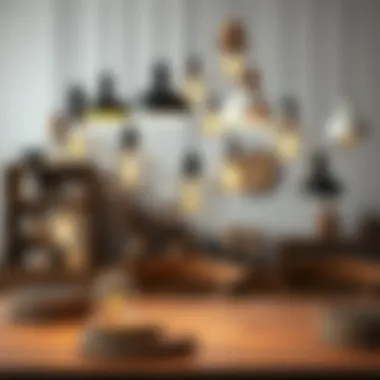

- Bold colors and finishes: From matte black to vibrant hues, modern pendant lights often allow for playful interaction with color schemes.
- Integration of technology: Many modern fixtures now come equipped with energy-efficient LED options or smart capabilities, ensuring both sustainability and convenience.
- Unique shapes: Abstract forms or geometric designs can mystify while providing ample illumination, giving a contemporary room an edge.
"Pendant lights, regardless of type, emphasize the uniqueness of an individual's style while providing essential lighting functionality in a variety of settings."
Selecting the right pendant light type extends beyond mere aesthetics; it involves considering the light’s role and how it can enhance the overall quality of a living space. By understanding what each type offers, homeowners and designers alike can ensure their lighting choices speak volumes.
Materials Used in Pendant Lights
The materials used in pendant lights play a crucial role in not just their functionality but also their visual appeal. As a central piece in any room’s decor, the choice of material can significantly influence the ambiance and style of a space. From modern residences to rustic homes, selecting the right materials for pendant lighting can enhance the overall aesthetic while providing the necessary illumination. This section delves into different types of materials, examining their benefits, applications, and considerations, ensuring you have all the information you need to make a wise choice.
Glass Variants
Glass is one of the most common materials in pendant lighting, thanks to its versatility and elegance. Various types of glass can be used, including clear, frosted, and colored options. Clear glass allows for maximum light transmission, making it ideal for rooms where brightness is a priority. On the other hand, frosted glass diffuses the light, creating a softer, more inviting glow.
When considering glass pendant lights, it’s essential to think about the style of the space:
- Industrial spaces often benefit from clear glass shades, enhancing the raw aesthetic.
- Cozy nooks may lend themselves well to frosted or textured glass, softening the harshness of bright light.
However, maintaining glass fixtures can require diligence, as fingerprints and dust can be more visible on clear surfaces.
Metal Finishes
Metal finishes can range from shiny chrome to rustic brass, each offering a distinct flair. Metal materials provide durability and can often enhance the overall industrial or modern look of a room.
- Brushed nickel is a popular choice in contemporary homes, pairing well with sleek designs.
- Antique bronze can bring a touch of sophistication to traditional spaces.
One of the appealing aspects of metal fixtures is their ability to resist wear and tear. Yet, they can sometimes heat up, so it’s important to factor in the type of bulbs used to avoid potential hazards. Consider the surrounding decor too; the metal’s finish must harmonize with other metallic elements in the room to maintain a cohesive look.
Wood and Natural Elements
Wood is making a significant resurgence in lighting design, especially for those looking for a warm, organic feel in their interiors. Pendant lights crafted from wood or incorporating wooden elements add an earthy touch. Choices can range from reclaimed barn wood for a rustic vibe to sleek, polished walnut for a more modern appeal.
Integrating wooden elements can provide several benefits:
- Sustainability: Many manufacturers are now using reclaimed materials, contributing to eco-friendly practices.
- Versatility: Wood can complement various styles—from country chic to minimalist modern—making it a flexible option for designers.
However, wood can be susceptible to environmental changes, possibly leading to warping or cracking if not properly treated. Hence, ensuring that the pendant lights are in a suitable environment is essential for longevity.
The choice of materials in pendant lighting can dramatically alter the perception of your space, making thoughtful selections necessary for your design journey.
By understanding the attributes of glass, metal, and wood in pendant lighting, you can make informed decisions that reflect your personal style while considering practicality and aesthetic harmony.
Choosing the Right Pendant Light
Selecting the right pendant light is not just about picking a pretty fixture; it’s a thoughtful process that intertwines aesthetics with functionality. Pendant lights serve multiple purposes: they illuminate the space, enhance the decor, and often become a focal point of the room. Understanding how to choose the right one ensures that it complements both the room's layout and the overall ambiance.
Here are essential factors to consider when making your selection:
Assessing Room Size and Layout
Room size influences the scale and number of lights you need. In a smaller space, for instance, opt for mini pendant lights. These udes have a compact profile and deliver just the right touch of light without overwhelming the area. On the contrary, larger rooms can benefit from multiple fixtures or a statement chandelier that commands attention. A good rule of thumb: the lower the ceiling, the smaller and more spaced out the fixtures should be.
- Visual Balance: Ask yourself how the light interacts with your furniture. For a dining room table, hang pendants about 30 to 36 inches above the surface, ensuring they are not too high that they lose function or too low that they obstruct views.
- Layering Light: Consider how pendant lights will work with other lighting sources like floor lamps or wall sconces, creating a harmonious feel across the space.
Considering Ceiling Height
Ceiling height is crucial as it dictates how far away the light will hang from the floor. Lower ceilings tend to require flush mounts or shorter pendants, while taller ceilings can accommodate longer drop lights. The aim here is to maintain an inviting space that allows for easy movement.
- Standard Guidelines: Generally, pendants should be hung 7 feet off the ground to ensure clearance and comfort. If you’re working with an island or a bar, a slightly lower height, around 24 inches above the countertop, creates an intimate setting.
- A Vertical Perspective: Think about the room’s dimensions as a whole; the light’s height can shift attention upwards, enhancing the spaciousness of a room.
Style Harmony with Existing Decor
A pendant light should be a conversation starter, complementing existing decor while simultaneously adding character. Whether your style leans towards industrial chic or farmhouse cozy, the fixture choice should echo your overall aesthetic.
- Matching Materials: For a vintage-inspired home, consider brass or antique fixtures that blend seamlessly with decor. Modern settings may call for sleek metallics or geometric designs.
- Color Schemes: Use color theory to your advantage. A bold colored pendant can provide a striking contrast against neutral walls, while softer hues can create a cohesive look.
- Themed Decor: If your space has a particular theme, like beachy vibes or rustic elegance, make sure the pendant light resonates with that theme. A raw wood pendant can enhance a rustic vibe, while sleek glass fixtures articulate modern elegance.
Ultimately, choosing the right pendant light is an amalgamation of practical considerations and personal taste. Taking the time to assess room size, ceiling height, and style harmony ensures that the lighting not only serves its primary purpose of illumination but also enhances the overall aesthetic of your home.
Key Takeaway: A pendant light can dramatically alter the atmosphere of a room. Selecting the right one melds functionality with style, truly illuminating your space.
Shopping for Pendant Lights
When it comes to finding the right pendant light for your space, it’s not just about choosing a pretty fixture. Shopping for pendant lights involves careful consideration of various elements that can enhance not only the aesthetics of a room but also its functionality. With so many options out there, understanding what to look for can make all the difference. The goal is to find a pendant light that meets your design vision while also fitting well within your space requirements.
Online vs. In-Store Shopping
The advent of online shopping has revolutionized how we seek out home decor items, including pendant lights. Shopping online provides a vast array of choices where you can dive deep into different styles, materials, and prices without stepping out of your home. Websites like Wayfair and Overstock have catalogues galore, helping you filter options based on color, finish, or size.
However, there’s something to be said for the in-person experience too. Visiting local shops allows you to see and feel the quality of the pendant light, alongside the chance to gauge how it appears in various lighting conditions. You can get a better idea of its scale compared to a room setting. For instance, when standing in a store, occasionally the light you are eyeing appears much larger than anticipated when you see it dangling in front of you.
Be mindful that shopping habits differ greatly. Online shopping is fantastic for those who have a clear vision and are comfortable buying without seeing the product. On the flip side, if you are more of a tactile shopper, visiting showrooms might be your best bet.
Evaluating Brands and Quality
Quality matters tremendously when it comes to choosing pendant lights. Not all brands are created equal, and while some might offer lower prices, that can come at the cost of craftsmanship and durability. The investment into a reputable brand often pays off in the long run, as these lights tend to be made from superior materials and have better design integrity.
To evaluate brands, consider these factors:
- Reputation: Look for brands known for their excellence in lighting solutions. Websites like Houzz and the review sections on retail sites can provide insights into customer satisfaction.
- Material Quality: Reading the product specifications can inform you about the type of materials used. Materials such as solid brass or high-quality glass are generally more reliable than plastic or flimsy metal.
- Warranties and Guarantees: A brand that offers solid warranties is often confident in the longevity of their product. It’s a telltale sign of a provider that stands behind what they sell.
Price Ranges and Budgeting
Establishing a budget is perhaps the most crucial aspect of shopping for pendant lights. Prices can vary widely, often influenced by design complexity, materials, and brand prestige. On average, you might find pendant lights ranging anywhere from $50 to over $500.
- Low-End Lights: Typically range from $50 to $150. These can suit basic needs but might lack the longevity or aesthetic appeal of higher-end options.
- Mid-Range Options: Expect to pay between $150 and $300. Here, you’ll find a nice balance between quality and price, often offering good materials with aesthetic value.
- High-End Lights: Starting at around $300, these lights often come from renowned designers or brands known for exceptional craftsmanship. Investing in such options usually ensures uniqueness and durability.
When budgeting, don’t forget to account for installation costs if you’re unable to do so yourself. An inexpensive fixture can skyrocket in price with professional installation fees, so plan accordingly.
"Successful shopping for pendant lights combines both art and science; blend your creative vision with practical considerations to illuminate your space effectively."
By taking these factors into account, you’ll embark on a more informed shopping journey, ultimately leading to a smart choice that enhances the charm and functionality of your living space.
Installation of Pendant Lights
Proper installation of pendant lights is a crucial aspect that can significantly affect both the functionality and aesthetics of your home. This section discusses why installation methods matter, how they contribute to the overall design, and some practical tips for making the process smooth.
Successful installation ensures that the light fixture illuminates the intended areas effectively while adding to the room's visual character. It can elevate the ambience and can make or break the look of your space. Poor installation, however, can result in lighting that’s either too dim or glaringly bright, making the area uncomfortable for daily use. Therefore, understanding the installation nuances is vital for both homeowners and designers alike.
DIY Installation Tips
If you're a hands-on individual or perhaps someone who enjoys DIY projects, installing pendant lights yourself can be rewarding. Here are some practical tips to navigate through the process:
- Gather Your Tools: Before diving in, ensure you have the necessary tools. A drill, screwdriver, wire cutters, and a voltage tester should be in your toolkit.
- Turn Off Power: Safety first! Always turn off the electricity to the area where you’ll be working to avoid any nasty surprises.
- Read Instructions: Every light fixture comes with its own set of installation instructions. Familiarize yourself with these specifics.
- Choose the Right Height: A good rule of thumb is to hang pendants about 30 to 36 inches above countertops or tables. This keeps the area well lit without obstructing views.
- Use a Helper: If the light fixture is heavy or awkwardly shaped, having someone assist you can make the installation go smoother.
By taking your time and following these steps, you can turn what seems like a daunting task into an achievable project.
Hiring Professional Help
Sometimes, the best choice is to leave the job to the professionals, especially if you're not comfortable with electrical work. Hiring a skilled electrician can guarantee that your pendant lights are installed safely and securely. Here are a few reasons to consider enlisting professional help:
- Expertise in Installation: Professionals have the training to install lights correctly and can troubleshoot any issues that may arise during the process.
- Time-Saving: Hiring a pro can save precious time. What might take you several hours, a skilled electrician can often accomplish in a fraction of that time.
- Code Compliance: An expert will be familiar with local building codes and regulations, ensuring all installations are up to standard.
- Warranty Coverage: Many professionals offer guarantees on their work, providing peace of mind that if something goes wrong, you have recourse.
Safety Considerations

When it comes to installation, safety is paramount. Here are a few key points to keep at the forefront:
- Check Your Wiring: Make sure the existing wiring in your home is adequate for the new fixture. If not, upgrading may be necessary.
- Check Weight Limitations: Ensure that the ceiling fixture is sturdy enough to support your new pendant light. Hanging heavier fixtures from less robust ceilings can lead to accidents.
- Use Proper Tools: Always work with the right tools and equipment for installation. Using incorrect tools can cause injuries or damage.
- Consult with Professionals When in Doubt: If you feel unsure at any step, it’s best to consult with a professional to prevent mishaps.
Not only can a well-installed pendant light serve its purpose effectively, but it also can enhance the overall beauty of the space. When done correctly, the addition of pendant lighting can tie a room’s design together, illuminating spaces and making them as cozy or stylish as intended.
Caring for and Maintaining Pendant Lights
Taking care of pendant lights goes beyond just ensuring they illuminate properly. Caring for and maintaining pendant lights is crucial for their longevity and visual appeal. Different materials react uniquely to environmental conditions, and regular upkeep can ensure your pendant lights continue to shine bright. Consider sunny windows that can fade colors or kitchens where grease might accumulate. Being proactive minimizes wear and keeps your fixtures functioning and looking their best.
Effective lighting not only beautifies a space but also serves practical purposes. If a pendant light's glass becomes clouded or if its finish loses luster, it can detract from the overall aesthetic of a room. Proper maintenance helps to prevent these issues, allowing you to avoid costly replacements and ensuring that your lights remain a focal point. Plus, by attending to maintenance, you can often troubleshoot any issues before they escalate, ensuring your fixtures last for years.
Cleaning Techniques for Various Materials
Cleaning is the foundation of good maintenance, yet it isn’t a one-size-fits-all approach. Different materials used in pendant lights require specific care to avoid damage.
- Glass: Use a soft microfiber cloth and a solution of warm water and mild soap. Gently wipe surfaces, avoiding any abrasive cleaners that might scratch the glass. For tougher grime, a vinegar-water solution might work wonders without causing harm.
- Metal: Depending on the metal finish, use a damp cloth to remove dust. For tarnished metals like brass or copper, consider using specialized metal polish that won’t ruin the surface. Make sure to check that the cleaner won't affect any coatings.
- Wood: Dust wooden elements with a dry cloth, then apply a wood-friendly cleaner. Avoid soaking wood with water as it may warp. Instead, a light application of wood polish can preserve its finish and add shine without risk of moisture damage.
"A little care today can prevent a lot of trouble tomorrow."
Regular Maintenance Checks
Regular maintenance checks are a vital part of keeping your pendant lights in optimal condition. A simple routine can make all the difference.
- Inspect every few months: Look for signs of wear, such as loose connections, discolorations, or any components that seem off.
- Check bulbs and wiring: Ensure that bulbs are functioning correctly and that wiring isn't frayed. Replace any burnt-out bulbs promptly to maintain brightness.
- Tighten fixtures: Over time, screws and connections may become loose. Make a habit of checking and tightening these to prevent further damage.
- Dust and grime buildup: Regularly wipe down your lights to prevent dust from settling, which not only helps with aesthetics but also prevents potential fire hazards.
Maintaining pendant lights isn’t just about beauty; it’s also about safety. By being consistent in your maintenance checks, you enhance both longevity and safety, creating a beautifully lit environment without the worry of a malfunction or hazard lingering overhead.
Trends in Pendant Lighting
In today’s world, where home decor is often a reflection of personal style, pendant lights are making waves with their versatility and charm. The Trends in Pendant Lighting encompass a variety of styles and preferences that resonate with those keen on aesthetics as well as functionality. Keeping pace with these trends is vital for anyone looking to elevate their space and create an ambiance that resonates with modern sensibilities.
Ultimately, pendant lights serve not only as fixtures to illuminate a room but also as integral elements of design that can enhance or disrupt the flow of a space. Understanding current trends allows homeowners and interior designers alike to make educated choices that align with evolving tastes and lifestyles.
Current Design Trends
As of late, certain design trends have emerged in the pendant lighting arena that reflects broader movements in interior design. Here are some noteworthy trends:
- Sustainable Materials: More consumers are leaning towards eco-friendly options, such as reclaimed wood or recycled glass. This not only minimizes environmental impact but also adds a unique narrative to each piece.
- Mixed Materials: Trends indicate a shift towards pendants that incorporate various materials, from metal to wood, glass, and even textiles. These mixed media pendants create a striking visual impact that attracts the eye and sparks conversation.
- Bold Colors and Patterns: Gone are the days of solely neutral tones in lighting. Today’s consumers are opting for fixtures that pop—vivid hues, intricate patterns, or surprising textures provide character and festivity to spaces.
- Geometric Shapes: Minimalistic designs featuring clean lines and geometric shapes have become quite popular. These shapes can enhance the contemporary feel of a room while offering subtle sophistication.
- Smart Lighting Technology: Integrating smart technology into pendant lights is catching on. Whether it’s adjustable brightness or customizable colors, technology-savvy homeowners are keen on creating dynamic environments suited to mood and occasion.
"Lighting is like the brushstrokes of interior design; it can transform a mundane room into a masterpiece."
These trends significantly influence buyer behavior, as many are looking not just for a practical light source, but also for artistic pieces that complement their overall decor.
Future Directions in Pendant Lighting
Looking ahead, the future of pendant lighting seems promising and replete with exciting possibilities. Here are several directions that are likely to gain momentum:
- Increased Focus on Health and Wellbeing: With a growing awareness of mental health and wellness, there's interest in lighting that caters to this—like fixtures that provide mimic daylight or adjustable hues that can enhance mood.
- Customized Lighting Solutions: The desire for personalization will drive trends towards bespoke pendant lights tailored to individual tastes and the specific dimensions of their spaces. Manufacturers may respond to this by offering more customizable options.
- Retro and Vintage Revival: Nostalgic designs are anticipated to make a comeback. Pendants reminiscent of mid-century aesthetics or Victorian details may appeal to those looking to marry the past with contemporary flair.
- Integration with Home Automation: The ongoing trend towards home automation will lead to the evolution of pendant lights equipped with advanced connectivity features, allowing control through mobile apps or voice assistants.
- Artisanal and Craftsmanship Appeals: As mass production gives way to a desire for unique, handcrafted items, pendant lights embodying artisanal craftsmanship might become sought after. Consumers will value quality and exceptional design over quantity.
These future directions reflect the growing inclination towards meaningful and thoughtful living spaces, where pendant lighting plays a critical role in enhancing quality of life.
Culmination
In the realm of interior design, the significance of pendant lights extends beyond mere illumination. These fixtures serve as focal points in a room, allowing for both functional and aesthetic considerations to coexist harmoniously. They can elevate a dining experience, soften the ambience in a living room, and even add an artistic flair to a space. With their diverse range of styles and materials, pendant lights are versatile enough to cater to various tastes and design philosophies.
Summarizing the Importance of Pendant Lights
Choosing the right pendant lights can dramatically transform a room. Here are some points to consider:
- Versatility: Pendant lights can be adapted to fit almost any interior design style, from rustic to modern. Their small footprint makes them ideal for spaces where traditional chandeliers may overwhelm.
- Functionality: Beyond aesthetics, pendant lights provide concentrated lighting that can enhance workspaces, dining areas, and more. They create pools of light that enable activities without compromising on style.
- Customization: They can be modified to fit the needs of specific rooms. For instance, elongated or larger pendants work well over dining tables, while smaller, clustered arrangements can create a striking visual effect in more casual settings.
- Enhancing Space: The right pendant can give an illusion of height or depth. A hanging light can draw the eye upward, making low ceilings seem taller or can create richness in a large hall by filling the vertical space effectively.
- Personal Expression: Ceiling pendant lights come in numerous shapes, colors, and materials, allowing homeowners to express their personalities and preferences. It becomes an opportunity to blend art with science in design.
In summary, pendant lights are not just about lighting up a room; they embody a world of design possibilities, enhancing both form and function. By understanding their role, one can make more informed choices, ensuring that each fixture not only illuminates but also enriches the living space.
"Light is not so much something that reveals, as it is itself the revelation."
— James Turrell
While light fixtures often end up being an afterthought, taking the time to select the right pendant lights can pay dividends. With so many styles, materials, and designs available, the right choice can reflect one's aesthetic preferences while fulfilling practical lighting needs.
Whether you’re an interior designer, a homeowner making updates, or simply someone looking to refresh your space, pendant lights hold the power to transform your surroundings in meaningful ways.