
Understanding G40 Bulbs: A Complete Overview
Intro
When it comes to illuminating spaces effectively and stylishly, G40 bulbs have become a popular choice, shining brightly in the world of decorative lighting. These rounded, globe-like bulbs are not just functional but also bring a unique flair to various environments. While they might appear simple at first glance, their impact on space aesthetics and mood cannot be overstated.
In this guide, we'll explore the various characteristics that set G40 bulbs apart, including their energy efficiency, design applications, and the nuances of light quality. Whether you're a homeowner looking to enhance your living room, a decorator aiming to set the right atmosphere, or a lighting professional seeking in-depth knowledge, this article aims to shed light on every shade of G40 bulbs.
Let's embark on this enlightening journey, where we unpack everything from G40 bulb aesthetics to practical tips for maintaining their brilliance.
Foreword to G40 Bulbs
G40 bulbs have gained traction in the lighting industry for their combination of style and functionality. As design elements in both residential and commercial spaces, understanding their unique properties becomes essential for anyone involved in decorating or illuminating an area. Their versatility and aesthetic appeal make them a favored choice among interior designers, homeowners, and event planners alike.
Definition and Design
A G40 bulb is a globe-shaped light bulb, typically measuring about 4 inches in diameter. They often come in a variety of designs and colors, catering to different lighting needs and style preferences. The external glass encasement often features a smooth finish, which allows for a soft diffusion of light while maintaining a visually pleasing profile. This bulb is compatible with various lighting fixtures, meaning they can easily integrate into diverse decors, from vintage to modern.
In terms of functionality, G40 bulbs can be found in incandescent, LED, and fluorescent types, allowing for a tailored approach based on energy needs and light quality. Their design is not just about appearance; it's also about delivering an ambiance that fits specific moods—ideal for romantic dinners or lively parties.
Common Characteristics
When selecting G40 bulbs, several characteristics stand out:
- Shape and Size: The distinctive globe shape makes them visually striking while providing considerable light coverage.
- Light Output: Depending on the type, G40 bulbs can emit soft, warm light, which enhances the coziness of a space, or bright, cool light, which is ideal for work environments.
- Energy Consumption: LED versions of G40 bulbs are lauded for their energy efficiency, lasting longer while consuming significantly less power compared to traditional incandescent bulbs.
- Color Temperature: Options range from warm whites to cool blues, enabling users to customize their lighting effects according to their preferences or the requirements of specific spaces.
"Choosing the right bulb is not just about illumination; it's about crafting a desirable atmosphere that resonates with the essence of a space."
In summary, G40 bulbs offer a blend of functionality and aesthetic, making them a favored selection for various applications. Each bulb type brings distinct attributes, hence understanding their design and features becomes crucial for optimal use.
Types of G40 Bulbs
Understanding the various types of G40 bulbs is crucial for making informed decisions about lighting options. Each type presents unique benefits that cater to different needs and aesthetics. This section will cover the three primary kinds of G40 bulbs: incandescent, LED, and compact fluorescent. Each variant has its own characteristics, energy considerations, and visual effects. A wise choice can not only enhance your space's ambiance but also improve energy efficiency in your home or commercial setting.
Incandescent G40 Bulbs
Incandescent G40 bulbs are often the classic choice. Characterized by their warm glow and familiar design, these bulbs are well-liked for their ability to provide a cozy, inviting atmosphere. However, they do come with some downsides.
- Warm Light Quality: The light emitted by incandescent bulbs is often considered more pleasant, ideal for spaces aimed at comfort.
- Shorter Lifespan: Typically, these bulbs don’t last as long as their LED counterparts, averaging about 1,000 hours.
- Higher Energy Use: They consume more power, which can lead to steeper energy bills over time.
Despite these drawbacks, many people still opt for incandescent G40 bulbs due to their simple installation and compatibility with various fixtures. They provide a certain charm that many find hard to resist, especially for home settings or informal gatherings.
LED G40 Bulbs
LED G40 bulbs mark a significant shift in lighting technology. They are not only energy-efficient but also have a longer lifespan compared to incandescent bulbs. They represent a smart choice for those looking to upgrade their lighting without sacrificing style.
- Energy Efficiency: These bulbs typically use up to 80% less energy than incandescent options, which translates to lower electricity bills.
- Longevity: An LED G40 can last anywhere from 15,000 to 50,000 hours, making them a cost-effective investment.
- Versatile Lighting: Available in various color temperatures, they can seamlessly fit into any design aesthetic - from warm whites to cool blues.
The increasing popularity of LED bulbs can be attributed to their environmental benefits too. As they produce less heat, they are also safer and reduce cooling costs in warmer climates.
Compact Fluorescent G40 Bulbs
Compact fluorescent G40 bulbs represent a middle ground between incandescent and LED options. They provide some benefits of both while introducing their own characteristics. Understanding these factors can help users choose the best fit for their needs.
- Moderately Efficient: Offering an energy savings of about 25-35% compared to incandescent bulbs, compact fluorescents balance efficiency with light output.
- Lifespan: They usually have a lifespan of around 10,000 hours, less than LED but significantly longer than incandescents.
- Warm-Up Period: One notable consideration is that compact fluorescents often require a warm-up period to reach full brightness, which can be a drawback in settings where immediate light is necessary.
When opting for compact fluorescent G40 bulbs, users should take into account their specific lighting needs and how often they will be switched on and off. They're a practical solution when long-term use is anticipated but may be less desirable in situations where immediate brightness is a must.
In the end, each G40 bulb type holds unique properties that cater to various requirements, be it an elegant dinner setting, an art gallery, or a trendy café. Making the right choice enhances not only the ambiance of your space but also maximizes energy use effectively.
Applications of G40 Bulbs
G40 bulbs have carved a niche for themselves in various settings, underscoring their versatility and distinct advantages. Their applications extend beyond mere illumination; they can enhance aesthetics and create desired atmospheres. Understanding the far-reaching implications of G40 bulbs helps homeowners, decorators, and design aficionados make informed choices that align with their specific needs.
Outdoor Lighting
Outdoor settings benefit significantly from G40 bulbs, often transforming yards and patios into inviting spaces. The warm glow emitted by these bulbs creates a cozy atmosphere, making evenings outdoors a delight. They are particularly favored for string lighting because the rounded shape allows light to disperse uniformly, avoiding harsh shadows.


In applications such as garden parties or backyard barbecues, G40 bulbs can play a crucial role. They set the tone, whether it’s a romantic dinner under the stars or a vibrant gathering among friends. Furthermore, their durability, especially in LED variants, provides reliable performance in varying weather conditions. Homeowners should consider the following when using G40 bulbs outdoors:
- Ensure proper placement to maximize light distribution.
- Use weatherproof fixtures to avoid damage.
- Select colors according to the desired ambiance, as warmer colors tend to create a more inviting feel.
”The right lighting can transform the mundane into the extraordinary; G40 bulbs achieve this effortlessly.”
Event and Party Decor
When it comes to events, G40 bulbs are synonymous with festivity and flair. From weddings to birthday bashes, these bulbs serve as both functional and decorative elements. Stringing G40 bulbs over a dance floor or reception area can elevate an event’s overall aesthetic, creating a visually stunning environment that guests remember.
Their ability to be integrated into various decor styles—from rustic to modern—makes them a favorite among event planners. Here are a few key points to consider for their use in events:
- Flexibility: G40 bulbs can adapt to different settings, whether draped over a trellis or suspended from a tent.
- Variety: Available in countless colors and variations, they can enhance themed decorations remarkably.
- Lighting Mood: Dimming capabilities in modern variants allow for the creation of a dynamic ambiance that can shift as the event progresses.
Indoor Ambiance Creation
Indoor spaces stand to gain tremendously from the thoughtful application of G40 bulbs. They are not merely sources of light; they possess the ability to evoke emotions and set the mood within a room. Whether used as accent lighting in a living area or to create a warm atmosphere in a dining room, G40 bulbs can significantly affect psychological comfort.
When incorporating these bulbs indoors, consider the following aspects:
- Layering Light: Combine G40 bulbs with other lighting types for a balanced approach; they can function as a soft backdrop to more intense light sources.
- Creative Installations: Use them in installations like pendant lights or lamps to add a whimsical touch.
- Highlighting Features: Position them strategically to illuminate artwork or architectural features, enhancing the visual interest of the space.
In summary, the applications of G40 bulbs are far-reaching and impactful. Their beneficial characteristics and adaptability not only cater to functional lighting needs but also play a significant role in shaping the aesthetic and ambiance of diverse environments.
Benefits of Using G40 Bulbs
G40 bulbs have carved a niche for themselves in the world of lighting solutions. Their versatility, combined with several benefits, makes them a preferred choice for both casual users and professionals alike. Understanding these advantages can help homeowners, decorators, and interior designers make informed lighting decisions that enhance aesthetics and functionality.
Energy Efficiency
One of the most crucial benefits of G40 bulbs lies in their energy efficiency. Compared to traditional incandescent bulbs, which can be notorious for energy waste, G40 bulbs, especially in the LED variety, use significantly less power while producing similar or even greater brightness. This can translate to lower energy bills and a reduced carbon footprint.
When switching to G40 LED bulbs, the energy consumed can drop by nearly 80% when comparing it to an incandescent bulb of the same brightness. Not to mention, since LEDs convert a higher percentage of energy into light rather than heat, they tend to remain cooler to the touch, reducing the risk of burns or fire hazards around children and pets.
"Investing in G40 LED bulbs not only green-lights your decor but also your wallet."
Longevity
Longevity is another game-changer when it comes to G40 bulbs. Incandescent bulbs often require frequent replacements, sometimes burning out after just a few thousand hours of use. In contrast, LED G40 bulbs can last anywhere from 15,000 to 25,000 hours, depending on usage and conditions. This durability means less hassle and fewer maintenance tasks – for both residential and commercial spaces.
In a practical sense, this longevity means you won’t be climbing up ladders or dealing with the inconvenience of burned-out bulbs as frequently, freeing up time for more important matters. Furthermore, fewer replacements lead to decreased waste, making it a more environmentally friendly option.
Aesthetic Appeal
Last but certainly not least, G40 bulbs have a unique aesthetic appeal that can transform any setting. Their rounded globe shape and soft glow enrich spaces, making them perfect for both indoor and outdoor applications. Whether you're aiming for a cozy atmosphere in a dining room or a festive vibe during outdoor gatherings, these bulbs deliver.
Available in an array of colors, finishes, and brightness levels, G40 bulbs can complement any decor style, from rustic to modern. Their design often enhances architectural details and adds a touch of sophistication to spaces.
In essence, G40 bulbs are not just functional lighting, they’re also a design statement, capable of accenting the elegance of your home or venue.
For further reading, you can explore the energy-saving aspect of LED lighting on Energy.gov, or check up on environmental impacts on EPA.gov.
Choosing G40 bulbs for your lighting needs means benefiting from energy efficiency, longevity, and unbeatable aesthetic charm.
Considerations for Choosing G40 Bulbs
Choosing the right G40 bulbs can significantly impact both the ambiance and functionality of a space. With so many options available, understanding various aspects of G40 bulbs can lead to an informed decision that enhances lighting experience. Selecting the right wattage, color temperature, and dimming capabilities shouldn't be taken lightly; these factors play a pivotal role in not just how your space looks, but also how it feels.
When considering G40 bulbs, it's essential to evaluate your specific lighting needs. Do you want something that creates a warm, inviting atmosphere for a dinner party? Or are you after bright, crisp whites for everyday tasks? Each aspect of these bulbs contributes to the overall experience, making this selection an important part of any lighting strategy.
Wattage Options
Wattage in G40 bulbs can be a bit tricky. You see, choosing the right wattage is not just about brightness; it’s about optimizing energy consumption. Most incandescent G40 bulbs range from 5 to 40 watts, while LED versions typically provide an equivalent brightness with lower wattage, sometimes as low as 4 watts. This can lead to notable savings on energy bills over time.
A higher wattage may glow brighter, but it might also cause glare, which can be unpleasant in certain settings. Lower-wattage options could suffice for ambient lighting, where a softer glow is preferred. For task lighting, however, more juice might be necessary to ensure visibility. Think about the specific environment where the bulbs will be used and choose accordingly.
- Incandescent often gives warmer tones but consumes more energy
- LED provides energy efficiency and a range of colors
- Consider what mood needs to be set in different areas of your home or business
Color Temperature
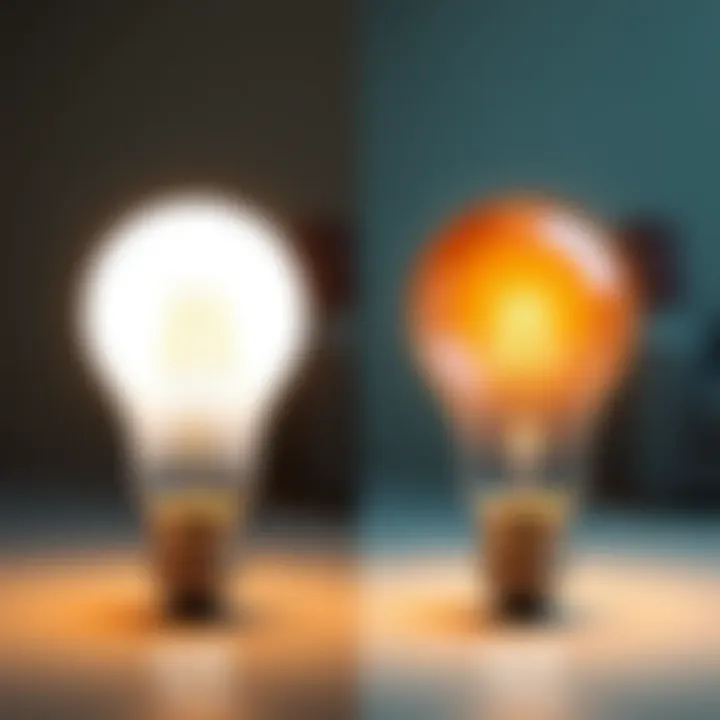
The color temperature of G40 bulbs dramatically shapes the overall feel of a space. Color temperature is measured in Kelvins and ranges from a warm, golden hue at around 2700K to a more crisp, daylight effect at around 5000K. Warm colors are great for social settings, like dining rooms, creating a cozy and inviting atmosphere. Cooler colors enhance focus and energize spaces like kitchens or offices.
The choice of color temperature should align with how the space will be used. Are you looking to create a relaxed environment or one that boosts productivity? If you’re aiming for versatility, consider bulbs with adjustable color temperatures, allowing you the flexibility to set the mood as required.
"Color temperature exerts a significant influence on how we perceive a space. Before you dive into purchasing a G40 bulb, it's wise to spend some time contemplating the ambiance you're going for."
Dimming Capabilities
Dimming capability is another critical consideration for G40 bulbs. Not all G40 bulbs are dimmable, so it’s essential to check the specifications before purchasing. Dimmable bulbs can adjust the light output to match different activities like entertaining guests or shifting to a more subdued setting for relaxation. However, make sure your fixtures and dimmer switches are also compatible.
Integrating smart dimmers can take your lighting experience up a notch, allowing for remote or automated adjustments to light intensity. This is especially useful in homes where mood lighting is frequently altered.
When choosing the dimming capabilities, keep in mind the following points:
- Check if the G40 bulbs you intend to purchase are indeed dimmable.
- Ensure your existing fixture supports dimmable options.
- Explore smart home integration, which can enhance comfortable control.
All in all, being thoughtful about wattage, color temperature, and dimming capabilities presents an opportunity to elevate spaces and enhance the quality of light that informs our daily lives. Remember, the right G40 bulb is more than just a practical choice; it integrates into the aesthetic narrative of your home or workspace.
Installation Guidelines for G40 Bulbs
Installing G40 bulbs correctly is crucial for ensuring optimal performance and safety. This section focuses on the essential aspects to consider when dealing with G40 bulbs, including how to make sure they fit perfectly in your fixtures, and what precautions to take during installation. Any misstep can not only affect the light quality but can also pose risks to safety. As such, understanding these installation guidelines will significantly enhance the overall experience of using G40 bulbs in various settings.
Compatibility with Fixtures
Before diving into installation, verifying compatibility between G40 bulbs and your light fixtures is a key step. G40 bulbs come in different types, including incandescent, LED, and compact fluorescent, each requiring specific bases and wattages. Here are some considerations to keep in mind:
- Base Type: G40 bulbs commonly use an E26 base, but this can vary. Always check your fixture's base to ensure a snug fit.
- Wattage Ratings: Different G40 bulbs have varying wattage ratings. Make sure your fixture can handle the wattage of the G40 bulb you choose; using a bulb with higher wattage than rated can lead to overheating or damage.
- Fixture Type: Some fixtures are designed for decorative purposes, while others may be more utilitarian. Understand the purpose of your fixture to select the right G40 bulbs that will not only fit but also look aesthetically pleasing.
Taking the time to assess compatibility can prevent unnecessary headaches down the line. After all, a bulb that doesn’t fit well might flicker or break, leading to a less than satisfactory lighting experience.
Safety Precautions
While installing G40 bulbs, safety should always come first. A few basic yet effective precautions can go a long way in ensuring everything goes smoothly:
- Switch Off Power: Before replacing or installing bulbs, always ensure the power is switched off at the circuit breaker. This minimizes the risk of electric shock.
- Use Protective Gear: Wearing gloves during installation can help you grip the bulb better and protect your hands from any accidental cuts, especially if the bulb is glass.
- Avoid Over-tightening: When installing a G40 bulb, it may be tempting to twist it as tight as it will go. However, over-tightening can crack the bulb or damage the fixture. Twist firmly but don’t force it.
- Evaluate Surroundings: Make sure the area around the fixture is conducive to the type of bulbs being used. For example, if you’re installing an incandescent G40, ensure it’s not in a moisture-heavy area, as that can lead to decreased lifespan.
"Proper installation and maintenance of lighting not only enhances the safety of users but also preserves the longevity of the products."
By adhering to these installation guidelines and safety precautions, you help to ensure not only the effective use of G40 bulbs but also the overall safety and ambience of your space. Taking the time to get it right shows respect for the light, your fixtures, and the environments you are enhancing.
Maintenance of G40 Bulbs
Understanding how to maintain G40 bulbs is paramount for ensuring their longevity and optimal performance. Given their growing popularity in various settings, from outdoor pathways to indoor décor, effective maintenance can make a substantial difference in their efficiency and overall aesthetic contribution. Caring for these bulbs not only maximizes their lifespan but also supports energy efficiency, reducing unnecessary replacements and waste.
Keeping your G40 bulbs in tip-top shape involves a few straightforward practices that can have tangible benefits. Maintenance encompasses both the cleaning of the bulbs to keep them looking their best and knowing when and how to replace them before they fail completely.
Cleaning Techniques
Regular cleaning is a simple yet often overlooked maintenance step. Dust and grime can accumulate on G40 bulbs, impacting light quality and reducing brightness.
- Use a Soft Cloth: When cleaning, a microfiber cloth can do wonders. This fabric traps dust without scratching the glass surface. Just dampen it lightly with warm water; avoid using harsh chemical cleaners, as they can damage the bulb's finish.
- Gentle Wipe: For outdoor bulbs, consider a soft brush or an old toothbrush to remove stubborn dirt or cobwebs. It’s essential to handle the bulbs gently while cleaning to avoid damage.
- Frequency: Depending on the location, bulbs installed outdoors may require more frequent cleaning. A good rule of thumb is to clean them every few months, especially if they are near trees or in dusty environments.
“A little maintenance goes a long way in keeping your lighting bright and inviting.”
Taking the time to ensure that your G40 bulbs are clean will not only enhance their luminosity but also prolong their functional lifespan.
Replacement Tips
Even with diligent care, all lightbulbs eventually need replacing. Knowing when to swap out a G40 bulb requires attention to a few signals:
- Check for Dimming: If a bulb starts dimming or flickering, it might be time to replace it. Rather than waiting for it to fail completely, replacing bulbs proactively can avoid the inconvenience of sudden outages.
- Inspect for Damage: Give the bulbs a once-over during cleaning. Look for any signs of damage, such as cracks or yellows spots. If you spot any noticeable wear, consider it a prompt for replacement.
When it's time to replace a bulb, consider the following tips:


- Choose the Right Type: Ensure that replacement bulbs maintain the same type as existing ones, whether incandescent, LED, or compact fluorescent. Mismatched bulbs can lead to inconsistent lighting quality.
- Wattage Matters: Stick to the recommended wattage for your fixtures to prevent overheating and fire hazards. You can typically find this information on the fixture label or in your manufacturer's specifications.
- Safety First: Always ensure bulbs are cool to the touch before handling them. Additionally, turn off power to the fixture before replacing any bulbs. This minimizes the risk of electrical hazards.
Taking these replacement tips into account will not only ensure you keep the ambiance of your space intact but also enhance the safety and reliability of your lighting setup.
Environmental Considerations
In a world increasingly attuned to the consequences of our choices, understanding the environmental impact of G40 bulbs becomes paramount. Given their widespread use in both commercial and residential settings, the decision regarding which type of bulb to employ can have significant ecological ramifications. The conversation surrounding environmental considerations is not merely a buzzword; it's about fostering a responsible approach to lighting that aligns with broader sustainability goals.
Sustainability of LED Options
When we talk about sustainability in the lighting realm, LED G40 bulbs emerge as champions. Energy-efficient, long-lasting, and recyclable, these bulbs stand in stark contrast to traditional incandescent types. An LED G40 bulb consumes about 80% less energy than an incandescent equivalent while providing the same luminous output. This efficiency translates directly to reduced greenhouse gas emissions, as less energy consumption means less reliance on energy sourced from fossil fuels.
Additionally, the longevity of LED bulbs—often surpassing 25,000 hours—reinforces their sustainable footprint. A simple calculation shows that if a homeowner uses an LED G40 bulb for just five hours per day, it can last almost 14 years before needing replacement. Fewer replacements mean fewer resources needed for manufacturing new bulbs, less packaging waste, and reduced transportation impacts.
"Choosing LED can be a game changer for both your wallet and the planet."
To extend the sustainability narrative, consider that many manufacturers have committed to eco-friendly practices, from sourcing materials to implementing energy-saving technologies in production. For instance, brands like Philips and GE have made strides in minimizing their environmental impact by using more sustainable raw materials in their LEDs.
Recycling and Disposal
The conversation doesn't end with the purchase and use of G40 bulbs; disposal and recycling practices are crucial aspects of sustainable use as well. Unlike traditional incandescent bulbs, which can often end up in landfills, LED bulbs, including G40 variants, are designed with end-of-life considerations in mind. Many components of LED bulbs can be recycled, reducing the overall waste in landfills
When it's time to part ways with a spent LED bulb, it’s essential to know how to do it responsibly. Here are a few key points to consider about recycling and disposal:
- Local Recycling Programs: Many municipalities have special collections for electronic waste. Check with your local waste management authority to find out about drop-off locations for old LED bulbs.
- Retail Take-Back Programs: Some retailers, such as Home Depot or Lowe's, offer recycling programs for LED bulbs. This allows consumers to return their used bulbs for proper disposal.
- Manufacturer Recyclability: Brands that produce G40 LED bulbs often provide guidelines on recycling their products. This can include mailing options or local partnerships.
By being mindful of how to recycle G40 bulbs, consumers can mitigate the impact on the environment, ensuring that valuable resources do not go to waste.
Future Trends in G40 Bulbs
As we look ahead, understanding the future trends in G40 bulbs is paramount for anyone keen on optimizing their lighting solutions. The shift towards sustainability, enhanced functionality and user-focused design means that the landscape of lighting is constantly evolving. G40 bulbs, known for their distinctive globe shape, are no exception. With emerging technologies reshaping how these bulbs are produced and utilized, there's a lot to unpack in this dynamically shifting market.
Technological Innovations
Technological advancements are paving new paths for G40 bulb design and efficiency. For starters, LED technology has become a mainstay, effectively marrying aesthetics and functionality. This innovation isn’t just about brightness; it’s also about smart integrations. We're seeing G40 bulbs that can connect to home automation systems, allowing users to control lighting from their smartphones or voice-activated devices.
Moreover, improvements in energy efficiency are noteworthy. Recent developments focus on decreasing energy consumption while enhancing lumen output. Think about the shift from traditional incandescent bulbs to better-performing LED variants—this is not simply a trend, it's a cornerstone of eco-friendly lighting solutions.
"The future of lighting isn't just bright; it's smart and sustainable."
Beyond efficiency, you'll notice a diversification in color options and customizable features. Manufacturers are beginning to offer adjustable color temperatures and even tunable white lighting, which can drastically change a space's ambiance. This flexibility can cater to different moods and occasions, making G40 bulbs even more appealing.
Market Predictions
As we navigate through the future, market predictions suggest a steady growth in the demand for G40 bulbs, especially in residential and commercial sectors. With energy prices fluctuating and environmental concerns on the rise, consumers are increasingly leaning towards energy-efficient lighting solutions. In fact, analysts estimate that the global LED market will continue to outperform traditional lighting sectors over the next decade.
Another trend on the horizon is the rising popularity of decorative lighting. G40 bulbs, thanks to their vintage appeal and aesthetic charm, are increasingly being incorporated into design schemes. Interior designers and homeowners alike are starting to embrace these bulbs not merely for their functionality but as decorative elements that enhance overall aesthetics.
Additionally, as sustainability trends continue to gain traction, we can expect to see more businesses implementing eco-friendly production methods. Innovators are focusing on creating not just energy-efficient options, but also bulbs that can be more easily recycled at the end of their life cycle.
In summary, the future of G40 bulbs looks promising and packed with potential. With technological innovations enhancing functionality and a marketplace that favors sustainability, both consumers and professionals in the field of lighting design have plenty to look forward to. Keeping an eye on these trends is crucial for making informed decisions about lighting choices that are not only cost-effective but also environmentally responsible.
For more detailed insights on lighting trends, refer to reputable sources like Wikipedia or Britannica.
End
As we've journeyed through the many aspects of G40 bulbs, it's clear that they offer far more than merely lighting a space. They embody a fascinating intersection of design, practicality, and ambiance. The significance of this topic lies in its comprehensive exploration, revealing how G40 bulbs are not just components of illumination but vital elements that can shape the mood and aesthetics of any setting.
Recap of Key Insights
First off, the distinct characteristics of G40 bulbs stand out. Their spherical shape provides a soft, diffused light that can enhance any atmosphere, whether it’s a cozy indoor nook or a lively outdoor gathering. We discussed the various types available, including incandescent, LED, and compact fluorescent options, each with unique benefits and applications.
- Energy Efficiency: The shift towards LED alternatives marks a pivotal moment where energy savings and lower environmental impact become possible while still achieving high-quality light.
- Versatility in Application: From illuminating backyards at night to creating soft lighting for events, G40 bulbs can fit into numerous contexts, catering to homeowners, event planners, and designers alike.
- Maintenance and Sustainability: As a long-term investment, understanding how to maintain these bulbs can prolong their life and ensure they remain a sustainable choice over time.
Final Thoughts
In summary, G40 bulbs deserve attention not only for their aesthetic appeal but for the thoughtful considerations they require for optimal use. When evaluating your lighting options, remember that selecting the right bulb goes beyond mere wattage; it's about crafting an experience. Investing in G40 bulbs can transform mundane spaces into inviting atmospheres, enhancing both functionality and beauty.
Ultimately, whether you’re refurbishing a beloved family space or planning a grand event, understanding the nuances of G40 bulbs equips you with the knowledge to make informed choices that resonate with your design ambitions.
"Lighting is the key to transforming spaces – from everyday comfort to stunning celebrations. Understanding how to wield that power with G40 bulbs opens up new avenues for creativity and expression."
For more in-depth information on lighting design, you might find resources such as Wikipedia or Britannica helpful.