Exploring the Details of Lampshade Light Fixtures
Intro
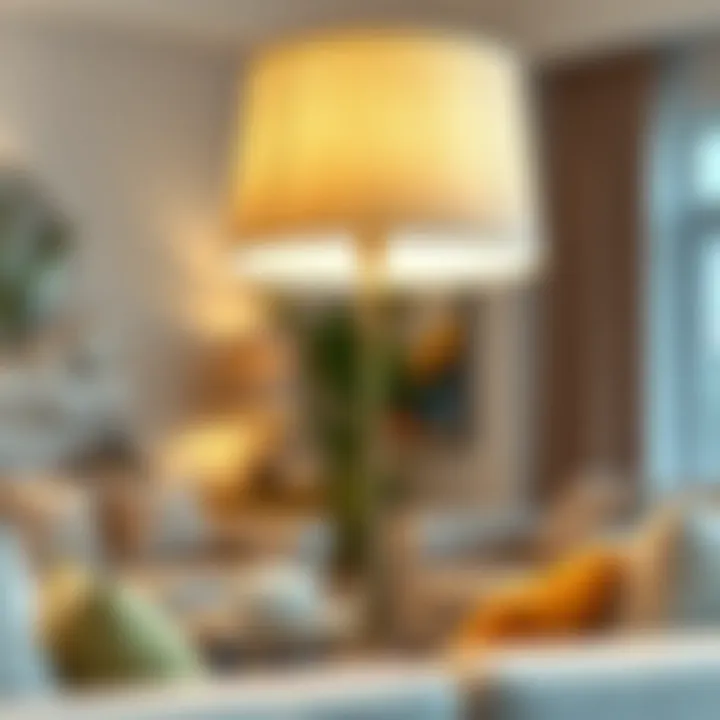
Gone are the days when lampshades were mere afterthoughts. Today, they are pivotal in orchestrating the overall aesthetic and lighting quality. Choosing the perfect lampshade involves a blend of artistry and practical considerations. Homeowners and decorators alike must navigate through trends, materials, and maintenance to make informed decisions.
In this article, we will explore the types of lampshades available, the materials that define them, and the most current trends. We will also discuss practical tips for selecting and maintaining lampshades, ensuring they remain functional and stylish in any living space.
Intro to Lampshade Light Fixtures
Light fixtures are often the unsung heroes of interior design. Among them, lampshades possess a unique charm and functionality that can transform any space. The importance of lampshade light fixtures extends beyond mere illumination; they play a crucial role in setting the mood and complementing the decor of a room. In this article, we'll peel back the layers of what makes lampshades not just practical, but also a stylish choice in home furnishings.
Definition and Importance
A lampshade can be defined as a covering for a light source, typically a bulb, which can diffuse, direct, or soften the light emitted. This simple product serves multiple purposes—protecting the eyes from harsh glare, enhancing the aesthetic appeal of a space, and contributing to the overall design narrative of a room. Imagine walking into a dimly lit room filled with different fixtures, and one lampshade catches your eye with its unique fabric and shape; it tells a story without uttering a word.
The importance of choosing the right lampshade cannot be overstated. A carefully selected lampshade not only highlights the beauty of the light fixture it adorns but also anchors the room’s decor. The interplay of shape, color, and material can sharpen the focus on other design elements or provide a striking contrast that adds depth to the environment.
Historical Context
Tracing the evolution of lampshades reveals a fascinating story of design, culture, and technology. Early incarnations of lampshades were rooted in necessity. In the 18th century, when candles were a primary source of light, people began creating shades to direct the illumination and enhance safety. The use of fabric and other materials allowed them to create more inviting spaces during evening hours.
As gas lights emerged in the 19th century, so did the sophistication in shades, which began to reflect the ornate styles of the period. With the introduction of electric light in the early 20th century, lampshades became even more integral to home decor. Designs diversified, from the sleek lines of Art Deco to the whimsical shapes of Mid-Century Modern.
Each era left its mark, highlighting how social trends and technological advancements can shape seemingly simple objects. Today, lampshades continue to evolve, embracing contemporary materials and innovative designs that cater to modern sensibilities while retaining echoes of their storied past.
Reflecting on this history not only enriches our understanding of lampshades but also informs the choices we make in our own spaces, as we navigate between tradition and modernity.
Types of Lampshades
The lampshade is not just a mere accessory; it plays a pivotal role in shaping the overall ambiance and functionality of a space. Understanding the various types of lampshades can greatly enhance the selection process for designers and homeowners alike. Each type offers distinct aesthetic benefits and functional features that cater to diverse visual styles and lighting requirements. Whether aiming for a contemporary look or a vintage touch, knowing the options available can lead to informed decisions that elevate a room's character.
Hard vs. Soft Lampshades
When it comes to selecting a lampshade, one must first decide between hard and soft options. Hard lampshades typically are made from materials like plastic, metal, or a rigid cardboard, providing a structured silhouette. They often lend themselves well to modern designs, standing out in a space without overwhelming it. The crisp lines of a hard shade can complement sleek interiors and can potentially reflect light more directly, offering brighter illumination.
On the other hand, soft lampshades are often crafted from fabric and allow for a warmer, more inviting glow. They can be easily manipulated into various shapes and usually provide a more diffused light quality. These options are often favored in traditional or eclectic designs, as they evoke a sense of coziness. Owners of soft shades should be mindful of their placement, as the fabric may absorb dust and grime more readily.
Here are some further points to consider:
- Durability: Hard shades tend to last longer due to their materials, often resisting wear and tear better than fabric counterparts.
- Light Quality: Soft shades generally diffuse light in a gentle manner, creating softer shadows and reducing glare.
- Versatility: Soft shades can be found in various patterns and colors, which can make them more adaptable to changing decor styles.
"Choosing between hard and soft lampshades can significantly affect the mood and functionality of your space."
Cylindrical, Drum, and Bell Shapes
The shape of a lampshade can dramatically affect both its aesthetics and how it distributes light. Cylindrical lampshades are steadily gaining popularity due to their modern, minimalist appeal. They provide uniform light distribution, making them ideal for areas requiring broad illumination, like dining rooms or living rooms.
Drum shapes, which are a subtype of cylindrical shades, offer a slightly wider silhouette. They often portray a sophisticated look and are versatile enough for various environments. These shades are typically favored in settings that benefit from both direct and diffused lighting.
Meanwhile, bell-shaped lampshades add a vintage charm with their curved form. Their design directs light downward and is often used in table lamps, contributing a cozy atmosphere perfect for reading nooks or bedside tables.
When considering shapes, one might reflect on:
- Space Requirements: The height and width of the shade should correspond with the fixture and surrounding decor.
- Lighting Needs: Drum and cylindrical shades work well in larger spaces, while bell shapes may focus light in more intimate settings.
Unique and Custom Designs
In today’s age of personalization, unique and custom lampshades are paving the way for creativity in interior design. Homeowners eager to express their individuality can now opt for bespoke designs tailored to their taste. From shades that incorporate intricate patterns to those featuring bespoke paintings, the possibilities are virtually endless.
Materials for these custom pieces can vary widely—from reclaimed wood and vintage fabrics to contemporary acrylics and metals. These designs not only serve as efficient light diffusers but also as stunning focal points within a room, offering personality and flair.
Additionally, custom shades are often created to accommodate specific fixtures or lighting sources, ensuring that the overall design flow remains intact.
Aspects to take into account for unique shades include:
- Theme Coordination: Ensure that the custom design fits well with the overall theme of the space.
- Functionality: While personalization is key, the functional aspect of the shade should never be overlooked, especially regarding light dispersion.


Materials Used in Lampshade Construction
The materials employed in creating lampshades hold significant weight in both functionality and design aesthetic. Understanding these components is crucial for interior designers, homeowners, and enthusiasts alike as they contribute to the overall theme and ambiance of a space. The choice of materials transcends mere preference; it impacts light diffusion, durability, and even maintenance.
Fabric and Texture
Fabric lampshades dominate the market primarily because they provide rich texture and warmth. Various fabrics—from cotton to silk—allow for unique patterns and colors, turning a simple lampshade into a statement piece. Choosing the right fabric can enhance or diminish a room’s atmosphere.
- Cotton: A common choice, cotton is affordable and comes in countless colors and prints. Its natural texture diffuses light softly, creating a welcoming environment.
- Silk: This luxurious option drapes beautifully but requires more maintenance. It can add an elegant touch to formal spaces.
- Linen: Known for its earthy and rustic feel, linen brings an organic vibe to a room. It may wrinkle easily, but many appreciate its charm.
Additionally, fabrics can be layered or combined for a more dynamic look. For example, a linen outer layer with a silk lining could harmonize durability with elegance.
Metal and Glass Options
Metal and glass options tend to lean toward modern or industrial themes. These materials are typically used for their sleek lines and longevity, often functioning better in settings designed with minimalism.
- Metal: This includes aluminum, brass, and wrought iron, each providing a unique character. For those who prefer a shiny, reflective finish, polished metals can introduce a sense of modernity. Conversely, matte or distressed metals may appeal to vintage enthusiasts.
- Glass: Glass lampshades are excellent for accenting light fixtures, providing beautiful translucency that can punctuate any décor style. Textured glass can disperse light elegantly, casting playful shadows on walls.
Both metals and glass lend a more robust feel, often ideal for spaces where durability is paramount, like commercial environments.
Eco-Friendly Alternatives
Sustainability is no longer just a trend but a crucial focal point in interior design. This has led to the emergence of eco-friendly lampshade materials. Utilizing recycled or natural materials not only lowers the ecological footprint but can also add character to a design.
- Recycled Paper: Quite versatile, this material can create a softer ambiance while being light and easily moldable into various shapes.
- Bamboo or Cork: These materials are sturdy yet lightweight, making them perfect for contemporary designs with a natural twist.
Choosing eco-friendly options can resonate with environmentally-conscious consumers and helps foster a connection to the planet through design choices.
In the world of lampshade construction, material selection is crucial, not just for aesthetic appeal but for ensuring a balance of sustainability, light diffusion, and maintenance ease.
With a variety of materials available, discerning the right one becomes an essential consideration in achieving a delightful harmony between function and style. Each availability contributes significantly to the end result, establishing a compelling mood and character in any space.
Design Trends in Lampshade Fixtures
The design trends in lampshade light fixtures represent more than mere aesthetics; they mirror evolving tastes and lifestyles in contemporary society. A lampshade is not just a functional item but a statement piece that reflects personal style, influences room aesthetics, and affects lighting quality. As we explore these trends, it becomes apparent that each style brings its own unique benefits and considerations for homeowners and decorators.
Minimalistic and Scandinavian Styles
Minimalism, often rooted in Scandinavian design principles, emphasizes simplicity and functionality. Lampshades in this style typically feature clean lines, neutral colors, and unembellished designs. The idea is to allow the light to take center stage without distraction.
These lampshades often feature materials like natural wood, fabric, or metal, each catering to a sense of understated elegance. For example, a simple white fabric lampshade paired with a wooden base can seamlessly blend into various room styles while maintaining an inviting glow.
Considerations when choosing a minimalistic lampshade include:
- Space Coordination: Ensure the lampshade complements existing furniture and decor without clashing.
- Color Palette: Sticking to a neutral palette can enhance the overall serenity of a space.
- Functionality: Assess whether the shade disperses light effectively, maintaining the simplicity of purpose inherent in minimalism.
Bohemian and Eclectic Designs
In stark contrast to minimalism, Bohemian and eclectic designs embrace boldness and individuality. The aesthetic is characterized by a mix-and-match approach, drawing inspiration from global cultures, textile patterns, and vibrant colors. Lampshades in this style often feature intricate patterns, textures, and vivid hues.
A Bohemian-style lampshade, perhaps crafted from a rich tapestry or fringe, can serve as an eye-catching centerpiece in a room awash with personality. It's essential to consider:
- Color Harmony: While eclectic designs embrace variety, harmonious color coordination is crucial to avoid visual chaos.
- Material Diversity: Mixing materials like wicker, silk, or even recycled elements can enhance the Bohemian vibe.
- Personal Touch: Customization options, such as handmade lampshades, can reflect one’s unique journey and taste.
"A lampshade in the Bohemian style is not just a light fixture; it expresses your spirit."
Industrial and Vintage Aesthetics
Industrial and vintage aesthetics are often intertwined, as both draw inspiration from the past. Industrial lampshades frequently use metal, exposed bulbs, and a rugged design that evokes the charm of old factories and warehouses. On the other hand, vintage lampshades may incorporate ornate detailing, softer colors, and materials reflecting a bygone era.
When opting for industrial or vintage lampshades, consider the following:
- Material Selection: Metal lampshades can bring a raw, edgy feel, while glass or fabric can evoke nostalgia.
- Lighting Fixtures: Pairing vintage shades with new technologies, like LED bulbs, can create a striking juxtaposition of past and present.
- Room Cohesion: Ensure that the lampshade fits within the broader theme of the room. A vintage lampshade could be the finishing touch in a contemporary space, softening the starkness.
The Impact of Lampshades on Lighting Quality
Lampshades are more than just decorative elements in a room; they play a vital role in shaping the quality of light that fills a space. Understanding the nuances of how lampshades impact lighting can help interior designers, homeowners, and decorators make informed choices about their lighting solutions. The right lampshade can transform a harsh glare into a warm glow, provide targeted illumination, or create moods that echo throughout a room.


How Shade Color Influences Ambiance
The color of a lampshade does wonders in tapping into the emotional fabric of a space. Soft hues like cream or light gray tend to cast a gentle light, fostering an inviting ambiance perfect for relaxation or social gatherings. Conversely, darker shades, such as navy or charcoal, absorb more light, creating a cozy, intimate atmosphere.
Colors can also amplify the style of a room. For instance, a vivid red drum shade can add an energetic punch to a minimalist decor. If one seeks to create a tranquil sanctuary, opting for a pastel or earth tone can work wonders.
"Color is the keyboard, the eye is the hammer, and the soul is the piano with its many strings." - Wassily Kandinsky
When selecting shades, consider not just the primary hues, but how they interact with other colors in the room. A white or light-colored shade may allow neighboring colors to shine, while darker colors can create depth and contrast.
Translucency and Light Diffusion
Translucency is another fundamental factor when discussing the impact of lampshades on lighting quality. The ability of a shade to diffuse light determines how well the illumination is dispersed around the room. A transparent or semi-transparent shade, for instance, can spread light evenly, lessening shadows and creating a more open feel. By contrast, a fully opaque shade confines light to a specific area, providing focused illumination suitable for tasks such as reading or cooking.
Understanding the right level of translucency can be pivotal, particularly in multi-functional spaces. If a room serves different purposes at various times, a lampshade that can adjust light diffusion could enhance the space’s versatility. For instance, a cylindrical silk lampshade can beautifully soften the harshness of ceiling lights while allowing just enough light to remain functional.
Sustainability in Lighting Solutions
As awareness grows regarding environmental concerns, incorporating sustainability into lighting solutions has become essential. More manufacturers are introducing eco-friendly lampshades that might utilize recycled materials, organic fabrics, or even innovations like bamboo or hemp.
Beyond materials, energy-efficient bulbs paired with sustainable lampshades can yield significant benefits. Not only do these choices reduce energy consumption, but they also enhance the longevity of the lampshades themselves. For instance, LED bulbs emit less heat, which lessens wear on fabric shades, thus prolonging their life span and, ultimately, minimizing waste.
Choosing sustainable lighting options is not just about individual choices but can reflect a broader commitment to responsible design practices. By selecting eco-conscious lampshade designs, decorators and homeowners alike can create spaces that embody beauty and responsibility.
Ultimately, the impact of lampshades on lighting quality is profound, affecting mood, function, and sustainability in significant ways. Paying attention to factors such as shade color, translucency, and material choice can lead to more intentional design decisions, enhancing any interior space.
Choosing the Right Lampshade
Selecting the appropriate lampshade is not merely a decorative choice; it’s a decision that influences the ambiance and functionality of a space. It’s the kind of detail that can make or break the feel of a room. A well-chosen lampshade can enhance the aesthetic qualities of a fixture, while also ensuring it serves its primary purpose of illuminating the space effectively. In the world of interior design, every little detail counts. Here, we’ll delve into three critical aspects to consider when choosing the right lampshade.
Consideration of Room Size and Function
The size and function of your room play a pivotal role in the selection of a lampshade. For instance, a small lamp in a vast living room might not only look out of place but also fail to meet your lighting needs. Conversely, a bulky shade in a compact nook can overwhelm the space, creating an uncomfortable atmosphere.
- Proportions Maters: Always assess the scale of the lamp in relation to the area it will occupy. A standard rule of thumb is that the height of the shade should be about 1.5 times the height of the base it sits upon.
- Light Requirements: Consider what activities will take place in that room. For example, in a reading nook, a shades that directs light downward is ideal, while an area meant for relaxation might benefit from uplighting or soft ambient light.
By taking both function and size into consideration, you'll not just fill the space but also enhance its purpose.
Personal Style and Decor Harmony
It’s no secret that lampshades come in a myriad of styles, designs, and colors. Choosing one that resonates with your personal taste and blends well with existing decor is essential. Here’s a deeper look into this aspect:
- Mesh with the Theme: Whether your home is minimalist, vintage, or bohemian, the lampshade should complement the overarching theme. A sleek, monochrome shade works beautifully in modern settings, while intricate patterned shades can add life to rustic interiors.
- Color Psychology: Colors evoke emotions and set a specific tone. Warm colors create a cozy atmosphere, while cool colors can enhance focus and tranquility. Think about not simply the shade’s hue but also how it interacts with surrounding elements.
Harmonizing your lampshade design with existing decor contributes to a seamless flow in your space, allowing you to create an intentional ambiance.
Practical Installation Guidelines
When it comes to installing a lampshade, practicality should never be overlooked. An ideal lampshade should not only look good but also be easy to install and maintain. Here are a few tips to consider:
- Installation Type: Determine the type of fitting your lamp requires, whether it’s a screw-on, clip-on, or a harp lampshade. Knowing what you need ahead of time can save you some headaches during installation.
- Height Considerations: Positioning is crucial for both accessibility and visual appeal. Generally, the bottom of a lampshade should sit about 30 to 36 inches above the floor for table lamps and at a height that adds dimension when hung for pendant lamps.
- Regular Maintenance: Lastly, think about how easy it is to clean or replace the shade. An intricate shade may require special care, while simpler designs could be wiped down effortlessly.
Taking heed of these installation pointers will ensure that your lampshade not only shines brightly but remains a cherished element of your home for years to come, making it well worth the time spent selecting it.
"The right lampshade doesn’t just illuminate, it transforms spaces, creating environments that resonate with your personal style."
Maintenance and Care for Lampshades
Maintaining lampshades is often overlooked, yet it plays a pivotal role in prolonging their lifespan and keeping them looking fresh. An unkempt lampshade can dim the aesthetic of a room. Dust, stains, and wear and tear can transform a once elegant fixture into an eyesore. By adopting regular maintenance routines, homeowners can ensure that their decor remains not only functional but also visually pleasing. Furthermore, routine care helps preserve the quality of the materials used, preventing the need for costly replacements. It’s a small effort that can yield significant benefits in the long run.
Cleaning Techniques Based on Material
Lampshades come in a myriad of materials, each requiring specific cleaning techniques. Understanding these nuances can save you from damaging your fixture.
- Fabric Shades: For shades made of fabric, a gentle approach is essential. Use a lint roller for quick cleaning, or for a more thorough job, mix mild soap with warm water. Use a soft cloth or sponge to wipe down the shade, avoiding soaking it. Always ensure to dry it off with a clean cloth afterward.
- Glass and Metal Shades: Glass shades can be cleaned with glass cleaner and a microfiber cloth. For metal shades, a damp cloth with a little vinegar can work wonders, restoring their shine without scratching the surface.
- Natural Materials: Shades made from bamboo or other natural fibers may require a different touch. Simply dust them regularly and, if needed, lightly wipe with a damp cloth, making sure not to soak the material.

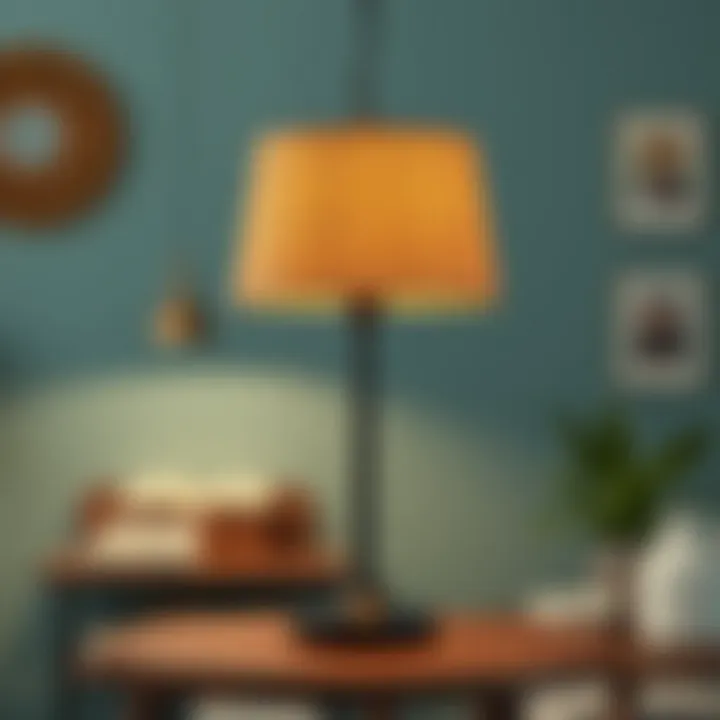
Cleaning is not just about appearance; it also enhances the quality of light emitted. Dust buildup can lead to dullness or even decreased light output.
Repairing Common Issues
Now and then, lampshades may show wear or damage. Addressing these issues is crucial to avoid further deterioration.
- Dents or Cracks: If your lampshade is plastic or metal and has a dent or crack, you can try a gentle heating method. Warm the area with a blow dryer, and then gently reshape it. This works best with plastic shades. However, for glass, it’s best to seek professional help to avoid breakage.
- Missing Parts: Sometimes, the clips or fittings that hold the shade in place may be missing. Replacing these can be simple – check your local hardware store for the specific type of fitting needed.
- Stains or Burn Marks: For stains, a fabric cleaner appropriate for the material might do the trick. For burn marks on fabric shades, often you can hide them with decorative elements or fabric adhesive patches made of complementary color and texture.
Timely attention to repairs not only enhances the lampshade's performance but also prevents further issues from arising.
Storage Considerations
When it comes to storing lampshades, it’s not just a matter of putting them on a shelf and calling it a day. Proper storage extends their life and helps you avoid damage.
- Positioning: Store lampshades upright rather than stacking them, which can lead to indentations or breakage. Use a wardrobe or designated storage box that prevents them from falling over.
- Covering: If you're not using shades for an extensive period, consider covering them with a soft cloth or a protective bag. This will keep dust at bay while preventing potential scratches.
- Climate Control: Store your lampshades in a climate-controlled environment. Excess humidity might warp fabric, while extreme heat can cause plastic or internal wiring to become compromised.
Good storage habits will ensure that you can bring your lampshades back into use without a hitch.
By committing to regular maintenance, cleaning, and thoughtful storage, lampshades not only serve their purpose longer but also keep their charm intact, positively affecting your interior ambiance.
Innovative Lighting Solutions Involving Lampshades
Innovative lighting solutions involving lampshades are increasingly reshaping the way we think about interior illumination. The age-old function of a lampshade has evolved, going beyond merely diffusing light or serving as a decorative element. It now plays a vital role in enhancing energy efficiency, creating smart environments, and accommodating multifunctional designs that adapt to modern living. These advancements are significant not just for aesthetic purposes but also for efficiency and personalization in interior spaces.
Integrating Smart Technology
The integration of smart technology into lampshades is a game changer in the realm of home lighting. Imagine being able to control the brightness or color of your lampshade with just a simple tap on your smartphone or a voice command with an AI assistant—this is becoming a reality. Smart lampshades come equipped with features like:
- Adjustable Brightness: Tailor the light intensity according to your mood or activity.
- Color Change Capability: Switch between warm and cool hues to match the time of day or occasion.
- Remote Control: Operate lamps from anywhere, enhancing convenience.
- Energy Monitoring: Some models can track energy usage, helping homeowners make more eco-conscious decisions.
By adopting smart technology, lampshades not only make life easier but also promote a sustainable approach to lighting, reducing energy costs while giving room for innovative design.
Multi-Functional Designs
In today’s fast-paced world, multi-functional designs in lampshades are increasingly sought after. These innovative solutions are crafted to serve more than one purpose, combining utility with style. Here are a few notable examples of such designs:
- Lamps with Built-in Speakers: Enjoy music while basking in soft light; this two-in-one design is perfect for small spaces where functionality is paramount.
- Lampshades That Double as Storage: Some lampshades incorporate shelves or compartments, providing an attractive method to store small items within arm’s reach.
- Workspace Adaptations: Modular lamps can adjust to various heights and positions, making them suitable for both ambient and task lighting in a home office setup.
By utilizing multi-functional designs, homeowners and designers can create versatile spaces that cater to varying needs without compromising on aesthetic quality.
Personalization through Customization
Customization has emerged as a prominent trend in lighting fixtures, and lampshades are no exception. This ability to personalize allows individuals to tailor their spaces to reflect their unique tastes and preferences. Key aspects of this personalization include:
- Fabric and Texture Choices: Selecting materials that match your existing decor or express a distinct style can vastly improve a room’s atmosphere.
- Custom Shapes and Sizes: Off-the-shelf options are fine, but bespoke lampshades can be made to fit any unique design or space requirements, ensuring a perfect fit.
- Personalized Graphics or Art: Some modern manufacturers offer the option to print custom designs on lampshades, making them truly one-of-a-kind.
"Customization allows for a deeper connection with the space you inhabit, making each piece an extension of personal identity."
Ultimately, when incorporating customized lampshades into a space, one can achieve an environment that resonates on personal and aesthetic levels.
Whether integrating smart technology, opting for multi-functional designs, or personalizing through customization, the possibilities with lampshade innovations are vast. These lighting solutions not only enhance practicality but also push the boundaries of how lamps can serve and beautify modern living environments.
Epilogue
Lampshade light fixtures play a crucial role in shaping the overall ambiance and functionality of a space. They not only serve to protect the bulb and diffuse light but also contribute significantly to the aesthetic value of a room. As we've explored throughout this article, the variety of types, materials, and designs available ensures that every homeowner or decorator can find a suitable option that aligns with their style and needs.
From considering the intricacies of color and shape to understanding how a lampshade interacts with a particular room's dimensions, thoughtful selection becomes essential. Choosing the right lampshade can elevate a simple illumination source into a focal point—transforming it from a mere utility into a remarkable piece of decor.
"The right lampshade sheds light not just on the objects around it, but on the essence of a home."
Future Outlook for Lampshade Design
As we look to the future of lampshade design, several trends are making their mark. There's a growing emphasis on sustainable materials, with designers increasingly opting for eco-friendly fabric and biodegradable options. This trend aligns well with the wider movement toward sustainability in interior design. Additionally, advances in smart home technology are influencing lampshade designs. This includes integration of smart features that allow for customized lighting and ambiance, responding to the needs and moods of users. Expect more innovations that merge aesthetics with functionality, creating lampshades that are not only beautiful but also adaptive.
Final Thoughts on their Importance in Interior Design
Lampshades encapsulate a balance of functionality and artistry that resonates throughout the realm of interior design. In the hands of skilled decorators, a beautifully designed lampshade can lead the way in establishing a room's character. Whether it’s a chic industrial design that adds an edgy touch or a soft fabric shade that exudes warmth, lampshades provide the environment where moments unfold.
Ultimately, their influence extends beyond mere illumination. They serve as a bridge between light and space, creating a mood that can inspire relaxation, productivity, or intimacy depending on the setting. With the continuous evolution in design trends, materials, and technology, one can only anticipate the rich tapestry of possibilities that lie ahead for lampshade fixtures in home decor.
With thoughtful consideration on aspects discussed in this article, choosing and integrating the right lampshade will—without a doubt—enhance the essence of interior spaces.