
Maximizing Closet Space with Dressers: A Smart Guide


Intro
In an age where maximizing space is not just a preference but a necessity, our closets often fall victim to disorganization and chaos. To effectively combat this, dressers can be the unsung heroes, seamlessly integrating with existing closet storage solutions. Whether you’re a homeowner looking for clever ways to enhance a small space or a decorator aiming for an aesthetic that spells organization and style, understanding the varied role of dressers in closet storage can make a significant difference.
Furniture Trends
Current Market Trends
Lately, the furniture market has been buzzing with designs that prioritize multi-functionality and compactness. Dressers, once considered mere storage units, have evolved into versatile pieces that can redefine a closet. Brands now focus on production techniques that incorporate sustainable materials while still creating aesthetically pleasing options. For example, bamboo and reclaimed wood are favorites, merging environmental consciousness with style. People are increasingly searching for unique modified dressers that aren’t just about drawers but also serve as statement pieces, remarkably blending innovative functionality with chic appearances.
Emerging Styles and Materials
Contemporary styles lean heavily on minimalist designs, stripping ornamentation but retaining personality through rich textures and clever layouts. For instance, mid-century modern dressers with bold lines and organic shapes are gaining traction, appealing to those who appreciate a retro vibe in their homes. Meanwhile, industrial styles are making waves too, featuring raw finishes and metal accents that provide a rugged contrast. This variety in style allows homeowners to pick a dresser that resonates with their overall home decor while providing that essential storage functionality.
Practical Tips
Furniture Care and Maintenance
Keeping your dresser in tip-top shape does not have to be rocket science. Regular cleaning with a gentle duster or cloth can help maintain that fresh look. For wooden dressers, it’s crucial to choose the right polish that suits the finish, as some products can damage the wood over time. Simple measures like using coasters when placing items or avoiding direct sunlight can greatly extend the life of your furniture.
DIY Furniture Projects
For the DIY-enthusiast, dressers can serve as an exciting canvas for custom projects. If you have a dresser that’s seen better days, a fresh coat of paint can work wonders. Think about reupholstering drawer fronts with fabric that matches your room theme or adding fun knobs for a unique touch. Not only does this personalize your storage unit, but it can also save you a pretty penny compared to buying new.
"A well-optimized closet with effective dresser use not only elevates your space but also enhances daily living, bringing a blend of utility and style that's hard to beat."
As the journey of exploring closet storage with dressers unfolds, it becomes evident that an astute choice in furniture can lead to significantly optimized living spaces. Taking the time to examine current trends and practical tips is key towards finding that perfect balance of form and function, ensuring that every shoe, shirt, and souvenir finds its rightful spot.
The Importance of Effective Closet Storage
Effective closet storage is not just about cramming as much as possible into a limited space; it’s a delicate balance of functionality and aesthetics. With the right approach to closet management, you can transform not only how you store your belongings, but also how those spaces contribute to your overall home environment. This section delves into various factors that incite the need for optimizing closet storage, highlighting how a well-organized closet can boost both efficiency and visual appeal.
Understanding Closet Dimensions and Limits
Closets come in all shapes and sizes, and understanding their specific dimensions can drastically improve your storage game. For instance, a small closet may only give limited room for hanging clothes, but when paired with a suitable dresser, it can become a multifaceted storage solution.
Key considerations include:
- Height, Width, and Depth: Know the exact measurements of your closet to ensure that any additions, like dressers, can fit comfortably. It’s not just about whether the dresser fits; it’s also about how you’ll access everything inside it.
- Architecture Features: Some closets may have odd angles or beams that affect storage possibilities. Identify these quirks early to work around them effectively.
- Accessibility Zones: Identify your most used clothing items and ensure that you can easily access them without creating a cluttered mess.
Realistically using these closet dimensions, you can create zones within your space. By stacking items vertically and arranging them sensibly, you won’t just maximize storage; you also create a system that invites ease and usability.
The Role of Organization in Home Aesthetics
Once you’ve tackled the practical side of measuring your closet, the importance of organization comes into play. An organized closet serves as the backbone of a serene living space. It carries a visual impact that resonates throughout your entire home.
Consider the following benefits of organized closet spaces:
- Reduced Visual Clutter: An orderly closet cuts down on the chaos often associated with homes. When your closet is well-arranged, it spills over into the rest of your space, creating a tidier living environment.
- Psychological Benefits: Clutter can induce stress. An organized area allows for clearer focus and greater peace of mind. Imagining a world where you’re not searching for a lost pair of shoes can be refreshing.
- Functional Aesthetics: Combining dressers with the closet can optimize both function and style. A dresser can be a beautiful piece of furniture that adds to the overall character of the closet. Think of it as blending utility with artistic representation.
"A well-organized closet can be a sanctuary; it calms the senses, making the art of choosing outfits feel effortless."
Dressers as Functional Storage Solutions
In the realm of home organization, dressers often serve a dual purpose. They not only function as storage units but also enhance the aesthetics of a space. Homeowners and design enthusiasts alike recognize that a well-designed dresser can help consolidate clutter and create a visually appealing environment. When considering closet optimization, dressers emerge as essential allies in the quest for both functionality and beauty.
The Versatility of Dressers in Interior Design
Dressers are not just utilitarian pieces of furniture; they are versatile elements that can adapt to various design styles. Whether you lean towards modern minimalism or traditional elegance, there is a dresser to complement your vision. For instance, the sleek lines of a Scandinavian dresser can seamlessly fit into a contemporary setting, while a distressed wood farmhouse dresser can add warmth to rustic decors.
Moreover, these pieces can be used in innovative ways. Instead of sticking to the confines of the bedroom, think about placing a stylish dresser in a hallway or living area. A dresser can serve as an eye-catching focal point, displaying decorative items such as plants or framed photos. As a bonus, its drawers can hide away miscellaneous items that usually clutter these spaces.


Dressers also offer considerable flexibility in terms of size and shape. A compact dresser can be ideal for smaller closets or rooms, while larger options can double as a changing station in nurseries or a workspace in home offices. This adaptability ensures that regardless of the space constraints, there’s always a way to integrate a dresser into your home’s design.
Materials and Styles of Dressers
When it comes to choosing a dresser, materials and styles play crucial roles in determining its functionality and appeal. Dressers can be crafted from various materials, including solid wood, metal, or engineered wood.
- Solid Wood: Renowned for its longevity, wood brings warmth and resilience. From oak to walnut, the variety ensures options for every taste. A well-crafted wooden dresser can last generations, becoming a treasured family heirloom.
- Metal: Sleeker and often more modern, metal dressers can lend an industrial vibe to your space. They tend to be lighter than wooden counterparts, making them easier to reposition in your home.
- Engineered Wood: Often more affordable, these dressers come in a range of finishes and styles. They can mimic the appearance of solid wood while providing decent durability for everyday use.
As for styles, the choices are as broad as they come. Mid-century modern dressers, characterized by their tapered legs and clean lines, are currently enjoying a resurgence in popularity. On the other hand, vintage or antique dressers can add character and history to any room.
Different finishes can also greatly impact the overall look of a dresser. From glossy lacquer to matte textures, the finish can either enhance or tone down a room's overall aesthetic, so it's essential to choose wisely.
"A dresser is not just storage; it’s an extension of your style and a testament to your taste."
In summary, the importance of dressers in closet storage is undeniable. They provide ample storage space while serving as critical design elements. By understanding their versatility and the variety of materials and styles available, one can make informed decisions that not only optimize storage but also elevate the home's overall aesthetic. Keeping these factors in mind ensures that every family member's needs are met, enhancing both function and style.
Maximizing Space with Dressers
When it comes to organizing a closet, finding ways to maximize space without compromising on style or accessibility is crucial. Dressers serve as more than just furniture; they become a critical part of a well-thought-out storage system. Proper placement and utilization of vertical space can drastically improve the functionality of a closet. This section will delve into how to strategically use dressers to take advantage of every inch, helping homeowners and designers create organized, efficient spaces.
Strategic Placement Within the Closet
The placement of dressers within a closet can really make or break the overall functionality. It's not just about where they fit; it’s how they interact with the rest of the layout.
- Consider Accessibility: A dresser should sit where it can be easily accessed, while also allowing for other items in the closet to be reachable. For smaller spaces, placing a dresser in a corner can save space but may make it less usable day-to-day.
- Flow of Movement: Think about how people will move within the space. An awkwardly placed dresser can turn a swift closet visit into a frustrating obstacle course. Aim for a layout that promotes smooth flow, where drawers can open without obstructing other elements.
- Integrating with Other Storage: Dressers can complement hanging rods or shoe racks. For instance, placing a dresser beneath hanging garments enriches the closet’s functionality while creating an aesthetically balanced view.
A smart approach is to sketch your closet layout before making permanent decisions. By visualizing plans, you're more likely to notice potential improvements or conflicts.
Using Vertical Space Effectively
It’s easy to overlook the vertical area in a closet. However, failing to utilize that upward space can be a missed opportunity for maximizing storage. In fact, your closet might have more space to offer than you think.
- Tall Dressers: Choosing tall dressers over wider options can free up floor space. These dressers can hold a considerable amount without requiring additional room, providing a sleek height advantage.
- Adding Shelves Above Dressers: Installing shelves above your dresser can transform empty space into productive storage. These shelves can hold less frequently used items or decorative boxes that have a dual purpose.
- Hooks and Railing Systems: Incorporating hooks onto the dresser sides or utilizing wall railings above can add layers of storage for accessories or even bags, making them easily reachable while maintaining order.
It's essential to think upwards in the realm of closet design. Vertical space is not merely an afterthought; it can redefine how much you have in storage capacity.
"Maximizing closet space is not just about cramming items together, but about creating an ecosystem where every piece has a purpose and a place."
Using dressers smartly in your closet can lead to a more organized and user-friendly space. With strategic placement and thoughtful vertical usage, every closet can evolve from a crowded area into a harmonious storage solution.
Integrating Dressers into Closet Systems
The integration of dressers into closet systems is a vital consideration for anyone looking to optimize storage effectively. Not only do dressers provide extra space, but they also contribute to a more organized and efficient closet environment. When done right, incorporating dressers can drastically enhance the functionality of your closet while maintaining a seamless aesthetic appeal.
Benefits of Integrating Dressers
There are several key benefits when it comes to integrating dressers within closet systems, including:
- Enhanced Organization: Dressers allow for better categorization of clothing. Items such as socks, undergarments, and t-shirts can be stored neatly and easily accessible.
- Space Efficiency: Utilizing dressers effectively can save valuable floor space. This is particularly important in smaller rooms where maximizing every nook and cranny is essential.
- Aesthetic Appeal: A well-integrated dresser can enhance the overall look of a closet, providing not just functionality but also adding to the visual harmony of the space.
- Convenience: Having a designated dresser in the closet means quicker access to frequently used items, enabling a more efficient morning routine.
By examining these elements closer, one can appreciate how vital it is to choose dressers that not only fit the dimensions of the closet but also align with personal style and storage needs.
Custom Closets and Built-in Solutions
Custom closets represent a tailored approach to organization. They can be designed to include built-in dressers, creating a cohesive storage solution that perfectly meets one’s needs. Here are a few reasons why such a strategy makes sense:
- Tailored Fit: Custom solutions ensure that dressers fit snugly into the closet layout, utilizing space that might otherwise go to waste.
- Personalization: The design can reflect individual preferences, with choices in materials, colors, and configuration that cater to personal tastes.
- Maximized Functionality: With the help of design software, it’s possible to visualize how a dresser will interact with other closet elements, like shelves and hanging spaces, ensuring a smooth workflow in everyday use.
When considering custom closets, it’s beneficial to consult with professionals who can provide insights into effective design strategies.
Modular Storage Units
Modular storage units present a flexible alternative to fixed dressers. These units can be rearranged and adapted as your storage needs change. Here’s why modular options are increasingly popular:
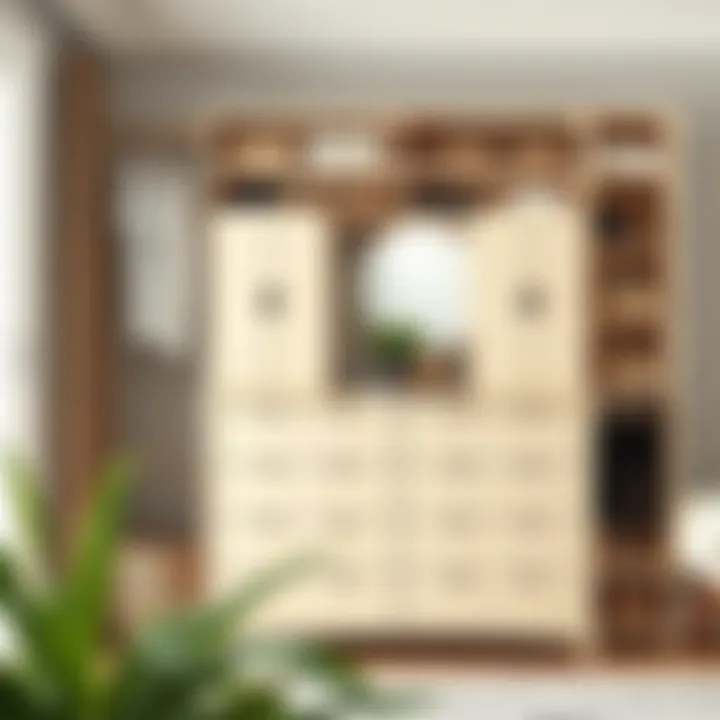
- Flexibility: They can be adjusted or expanded over time, keeping pace with changing storage demands without requiring significant renovations.
- Easy Configurability: Homeowners can experiment with different layouts, ensuring that the space feels fresh and functional as often as needed.
- Variety: Modular dressers come in various styles and colors, making it easier to find options that blend seamlessly into your existing decor.
Incorporating dressers into closet systems—whether through custom solutions or modular units—offers an invaluable pathway to enhanced organization and visual appeal. The right setup not only simplifies daily life but also elevates the entire room's atmosphere.
Ultimately, whether opting for a custom-built dresser or a modular unit, the key lies in thoughtful planning and selection. The aim is to create a closet space that serves the homeowner’s specific needs while integrating effortlessly into their lifestyle.
Functional Aesthetics: A Balancing Act
When it comes to closet storage, the intersection of functionality and aesthetics often feels like a tightrope walk. This section investigates the importance of aligning these two realms, particularly when dressers come into play. It's not just about what you can shove into a dresser but how it all fits into the broader narrative of your home. A well-designed closet should present a clear picture while also catering to everyday needs. This duality is why it’s crucial to think about how dressers can enhance both space utility and visual appeal.
Emphasizing Functionality
Dressers play an essential role in the organized chaos of a closet. Their primary function, to store clothes and accessories, must not be overshadowed by whether they look good doing it. Most people find themselves shuffling through piles of clothing, leading to frustration and disarray. The first step is to create dedicated zones within your dresser. Don’t just toss everything in there.
- Drawer Dividers: Consider using drawer dividers to keep items from turning into a jumbled mess. This simple addition can lead to time saved during morning routines.
- Labeling: Utilize labels for different sections. Whether you store knits, dress shirts, or seasonal items, clear identification helps maintain order.
- Smart Storage Solutions: Think about under-drawer storage for items like shoes or accessories that are prone to cluttering the closet floor.
Aesthetic Appeal Matters
A space can be functional yet uninspiring. Visual harmony is crucial; a cluttered closet can ruin the ambiance of an otherwise serene room. Choose dressers that reflect the overall design theme of your home. A rustic wooden dresser might clash with sleek modern decor. Thus, the dresser itself must be a vessel of both beauty and utility.
- Design Consistency: Stick to a coherent design style. If your home leans towards minimalist decor, consider a dresser with clean lines and a neutral palette. If it radiates warmth and character, a vintage-inspired dresser can be a showstopper.
- Textures and Finishes: These can contribute to the room's depth. A high-gloss finish might suit a younger vibe, while a matte, rounded design can evoke warmth and comfort.
"A closet does more than just hold clothing; it serves as a canvas reflecting individual style while showcasing functionality."
In achieving functional aesthetics, the goal is to curate spaces that invite you in rather than push you away. The balance is delicate, yet achievable. Keep the practical at the forefront while ensuring that your selections resonate with your life.
Designing for Clarity and Function
The layout of your dresser within the closet needs to elevate clarity and function simultaneously. Start by considering the flow. You’ll want to arrange personal items in such a way that accessibility is prioritized. Grouping similar items not only simplifies retrieval but creates a calming visual of segregation, making frantic wardrobe selection a breeze.
Additionally, keeping the most frequently used items at eye level can help streamline your daily routine. Adjust the interior layout so that seasonal or rarely-used items are tucked away in the harder-to-reach drawers.
Color Schemes and Visual Harmony
How colors play into the aesthetic cannot be underappreciated. Picking a color palette that flows with the rest of the room is essential. Dark woods pair well with richer tones, invoking a sense of maturity and stability, while lighter colors offer a breezy, airy quality.
Decluttering Techniques for Closet Management
Closet management can make or break a space, and the key ingredient to keeping that space tidy is decluttering. Decluttering Techniques for Closet Management hold a significant position in our discussion about optimizing closet storage with dressers. When a closet is cluttered, even the best dresser can fall short of its potential. Thus, effective decluttering does not merely enhance storage but transforms the entire closet experience. This section elucidates various strategies and offers practical tips to help homeowners and decorators alike regain control over their closet spaces.
Seasonal Rotation Strategies
One effective approach to declutter is the concept of seasonal rotation. This strategy entails rearranging your closet contents based on the time of year. For example, winter coats, scarves, and boots might occupy prime real estate during the colder months, while lighter apparel like t-shirts and shorts take precedence as temperatures rise.
- Out with the Old: At the change of the season, take a moment to seriously evaluate each item. If you haven’t worn something in over a year, it might be time to let it go.
- Storing Off-Season Clothing: For those bulky winter jackets or summer dresses, consider using under-bed storage bins or vacuum-sealed bags. This keeps them organized but out of sight until the appropriate season arrives.
- Visual Clarity: By rotating items seasonally, you create visual clarity. Instead of digging through piles, you can easily locate what you need without any fuss.
A thoughtful seasonal rotation not only minimizes clutter but also allows clothes to stay in excellent condition, extending their life.
The One-In-One-Out Rule
Another useful principle for managing closet space is the one-in-one-out rule. For every new piece of clothing brought into your home, an existing piece should leave. This allows for constant reflection on your wardrobe choices, keeping the closet lean and focused.
"If you can’t find it, you don’t own it."
- Maintain Balance: This method helps keep your closet in balance. If your style shifts and you opt for new items, you’ll be prompted to reconsider older pieces, supporting a more thoughtful wardrobe.
- Encouraging Reflection: It's helpful to assess the emotional attachment to certain clothes. Ask yourself questions like, "How often do I wear this?" or "Does it still serve me?" The answers can guide your decision on what stays and what goes.
- A Practical Tip: Set a dedicated donation bag in your closet. When a piece makes you hesitate, toss it in the bag until it’s full. Donating surplus clothing benefits local charities and keeps your space neat.
In summary, mastering decluttering techniques empowers homeowners to maintain functional and aesthetically pleasing closet environments. Utilizing seasonal rotation strategies and embracing the one-in-one-out rule cultivates a thoughtfulness around wardrobes, reflecting your current lifestyle while enhancing your storage solutions.
Renovating Closets for Optimal Storage
Renovating closets is not just about aesthetics; it's a pivotal strategy to enhance organization and boost functionality in our living spaces. A well-thought-out closet makeover can make a world of difference. In addition to increasing space, a renovation can cater to evolving needs and lifestyles.
With growing trends toward minimalism and efficient use of space, renovating closets has become an essential consideration for many homeowners and decorators. By rethinking how we utilize our available areas, we can create more organized and appealing environments that reflect our personal styles. Whether it’s about creating a streamlined look or adding utility where there was once chaos, each renovation step presents unique advantages.
Planning Your Closet Makeover


Laying out a plan for your closet renovation is where the journey begins. This involves several steps that ensure your makeover is both effective and satisfying. Before you rush into picking out dressers or paint colors, you must assess what you need.
- Evaluate Your Current Space: Start by taking a good look at what you currently have. Analyze the layout and structure of your closet. Measure the dimensions accurately. Knowledge is power, after all!
- Define Your Needs: What do you actually store? Seasonal clothes? Accessories? Footwear? Knowing what you need to accommodate greatly influences your design choices. If you're like many, you might find a balance between functionality and visual appeal important.
- Set a Budget: Have a ballpark figure in mind. This will help curb unnecessary expenses and help prioritize what to splurge on.
- Research Design Inspirations: Browse various platforms like Pinterest for design ideas that fit your vision. Don’t hesitate to explore closet magazines or even visit showrooms for some hands-on inspiration.
- Draft a Design Layout: Create a simple layout. Sketching or using design software can be an invaluable mistake-preventative measure. Think through both structure and aesthetics thoroughly. It's all about finding that sweet spot between style and function.
Incorporating Dressers Into Renovation Plans
When it comes to upgrading your closet system, integrating dressers can profoundly enhance storage capacity and organization. Here’s how you can strategically blend dressers into your renovation plans:
- Choose the Right Size and Style: Select dressers that harmonize with your closet’s dimensions and your overall design theme. Whether you lean towards a modern finish or prefer rustic wood accents, the style should reflect your taste while maximizing practicality.
- Identify Placement Options: Consider where the dressers will fit best. Should they take center stage or be tucked away in a corner? The arrangement can significantly affect accessibility and visual flow.
- Design Multifunctional Spaces: If you're working with a limited area, aim for dressers that serve multiple roles. For instance, a dresser can serve as a bedside table outside the closet. Perhaps storing linens or seasonal items at the bottom could free up space for clothing.
- Think About Storage Inside the Dresser: Organizing the contents of the dresser is just as crucial as its placement. Using dividers can help separate items, giving you quick access and maintaining order.
Utilizing dressers effectively during your renovation can boost not just storage capabilities but also elevate the overall ambiance of your closet. With planning and thoughtful design, you can create a functional and stylish space that genuinely feels like your personal sanctuary.
"A closet that works for you is a home that brings peace of mind. Every compartment, every drawer, every arrangement must enhance your lived experience."
Visit Houzz for more ideas on stylish closet solutions, or check This Old House for renovation tips .
Maintaining Order in Closet Spaces
Keeping your closet in good shape goes beyond mere aesthetics; it’s fundamentally about order and efficiency. When spaces are tuned up properly, it can significantly enhance your daily routine. With the right strategies, you don’t have to elbow your way through chaos every morning when picking out your outfit; instead, you can access your clothes and accessories with ease.
A well-organized closet not only helps you locate items faster but also extends the lifespan of your clothing and accessories. When you can clearly see what you have, you are less likely to buy duplicate items or lose track of essentials. This also means you’ll get more enjoyment from your clothing because you’ll be able to appreciate the items in your wardrobe just like an exhibit in a gallery.
Adopting an order-maintaining strategy is particularly important in today’s world where many of us are juggling busy schedules. If you can integrate dressers effectively into your closet, you’re already halfway there. Think of dressers as multipurpose furniture – a stylish yet functional ally in your quest for closet harmony.
"Order is the shape upon which beauty depends."
Regular Assessment of Storage Needs
It can’t be emphasized enough how vital it is to keep reassessing your storage needs regularly. Just like a fine-tuned machine requires periodic checks, your closet does too. As seasons change or your lifestyle evolves, the way you use your closet might shift. Recognizing when it's time to change things up can keep clutter at bay.
Consider scheduling a closet assessment at least twice a year – once at the beginning of each season. During these assessments, take the opportunity to:
- Evaluate Your Wardrobe: Look at the pieces you haven’t worn in months. Are they just taking up space? It might be time to donate or sell them.
- Check for Seasonal Needs: Is winter gear taking up too much space when summer items are ideal? Change out clothing to reflect the current season helps essential space management.
- Assess the Functionality of Dressers: Are the drawers working well and meeting your needs? Sometimes it's necessary to swap them out for a more suitable option.
These measures shouldn’t feel daunting; they should be invigorating. Each time you refine your closet, recognize the satisfaction that comes with creating a more functional space.
Adapting to Lifestyle Changes
Your closet should be a reflection of your current life and needs, not a museum of the past. As your lifestyle evolves – whether due to job changes, family growth, or new hobbies – your storage solutions might need to adapt. For instance, if you recently began a fitness journey, you might find yourself needing more space for workout gear. Alternatively, starting a new profession might require a re-evaluation of your work attire.
When faced with such changes, consider the following:
- Repurposing Dresser Space: If your dresser has been primarily used for casual wear, both flexibility and intention are needed. Reorganize that dresser to encompass business wear or performance clothing based on your new activities.
- Incorporating Multifunctional Furniture: Invest in dressers that have dual functions. For example, a dresser with a fold-down desk can work wonders in small spaces while catering to a more multi-faceted life.
- Implementing New Storage Solutions: Be open to adding boxes or bins with labels on the shelves of your closet for items that aren’t used daily but still essential for your new routine.
Ultimately, adapting your storage solutions is about maintaining relevance to what matters most at any given time. By keeping a well-ordered closet that evolves with you, it’s easier to remain organized in all aspects of life.
Future Trends in Closet Storage Design
The landscape of closet storage design is evolving rapidly, and keeping your finger on the pulse of these trends is vital for homeowners and decorators alike. This section will highlight the significance of understanding future trends, focusing on smart technology integration and sustainability in materials and processes. These elements are not just about aesthetics; they improve functionality, enhance user experience, and align with the growing emphasis on environmental consciousness.
Smart Technology Integration
As we step into the future, technology is becoming an undeniable part of our daily lives, including storage solutions in our homes. Smart closets with integrated technology allow for better organization and access to items in your closet.
- Automated Systems: Think about how a motion sensor could illuminate a dark closet as soon as you step in. Smart closets can also have automatic pull-down racks that help reach higher shelves, negating the need for a ladder.
- App Integration: Imagine managing your wardrobe from an app. Keeping tabs on what you own, tracking seasonal wear, and even getting suggestions for outfits based on weather forecasts are all possible now.
- Virtual Reality: In design, virtual reality allows homeowners to visualize their closet before committing to construction. This aids in making better choices, avoiding unnecessary costs, and creating spaces that are truly personalized and maximized for their needs.
What’s more, smart features can help with tracking outfits, suggesting clothing combinations, and ensuring you wear everything you own. This tech-savvy approach not only maximizes closet effectiveness but adds an appealing modern twist to traditional storage spaces.
Sustainability in Materials and Processes
As environmental awareness grows, the demand for sustainable practices in interior design continues to gain momentum. Integrating sustainability into closet design is proving to be beneficial both for the planet and for a home’s long-term livability.
- Eco-Friendly Materials: Stick to materials like bamboo or reclaimed wood. These options not only reduce the carbon footprint but also add a rustic charm to the furniture. Choosing fabrics made from organic and recycled materials contributes to less environmental degradation.
- Efficient Manufacturing: Companies are re-evaluating their production processes to minimize waste. This can result in products that not only serve their purpose well but do so with a much smaller environmental toll.
- Timeless Designs: Investing in classic designs that withstand changing trends can be more sustainable. Items that last not only reduce the need for replacements but also help curb waste long-term.
With attention to sustainability, consumers can now find storage solutions that don’t compromise on style or function while also contributing to a healthier planet.
"The closet of the future isn’t just about storing clothes; it’s a space that reflects our values, needs, and our planet’s health."