Metal Stools in Modern Decor: Versatility and Style
Intro
Metal stools have quietly carved out a niche in modern decor, becoming a staple in various environments—from chic cafes to contemporary homes. With so many options available, these stools are not just about functionality; they also bring a distinct style and character to any space. The surge in their popularity prompts us to explore their diverse styles, unique qualities, and practical uses. As we journey through this exploration, we’ll look at the current trends shaping the market and provide valuable tips for both maintaining these furnishings and enhancing your design choices with them.
Furniture Trends
Current Market Trends
In recent years, metal stools have transcended their utilitarian roots, evolving into highly sought-after decor elements. Their ability to blend seamlessly into various styles—from industrial chic to minimalist elegance—has made them a favorite among designers and decorators alike. You might notice that certain finishes, such as matte black or brushed gold, are trending. These finishes provide a sleek, modern vibe that can pull together disparate decor elements in a room.
Moreover, the rise of open floor plans has contributed to the demand for versatile furniture. Metal stools fit the bill perfectly, offering extra seating without hogging space. Homeowners and interior designers are increasingly opting for lightweight, stackable options that provide flexibility without compromising style.
Emerging Styles and Materials
As design philosophies adapt, so too do the materials used in metal stool manufacturing. Beyond traditional stainless steel, materials like aluminum and brass are gaining traction. Aluminum stools are particularly favored for their light weight and resistance to rust, making them ideal for outdoor decor. Brass, on the other hand, adds a touch of elegance and is often chosen for more upscale settings.
In terms of styles, a notable emergence is the fusion of metal and wood. This combination creates a warm yet industrial feel, catching the eye without being overly loud. You might see designs where wooden tops pair with metal bases, striking a balance between comfort and modernism. These stools appeal to both rustic and contemporary aesthetics, showcasing the versatility of metal.
"A well-chosen stool can be the unsung hero of a room, enhancing not only the space’s functionality but its style as well."
Practical Tips
Furniture Care and Maintenance
Owning metal stools comes with its own set of responsibilities, particularly regarding care and maintenance. Regular cleaning can prevent rust and keep the finish looking pristine. For stainless steel options, using a mixture of mild soap and water can work wonders. Just make sure to dry them thoroughly to avoid water spots. Aluminum stools require less upkeep, though they benefit from a wipe with a damp cloth to remove any dirt or debris. If you have brass stools, consider applying a metal polish occasionally to maintain their shine.
DIY Furniture Projects
For those with a crafty side, metal stools can also serve as the foundation for DIY projects that add a personal touch to your space. Some enthusiasts transform standard stools into colorful accent pieces by employing spray paint or stencils. Others might choose to add cushions or upholstery for added comfort, making them not just stylish but also welcoming. This creative approach sets the stage for expressing individuality in your decor, turning ordinary stools into unique statements.
By recognizing the trends and practical applications of metal stools, one can appreciate their role in modern decor. These multifaceted pieces are more than mere furnishings; they are design statements that invite creativity while providing functional seating solutions. Whether you’re a homeowner looking to enhance your space or a designer seeking inspiration, understanding the varieties and uses of metal stools can significantly elevate your interior design game.
Foreword to Metal Stools
In the realm of modern interior design, metal stools stand out like a lighthouse in the fog. They aren't just a passing trend; their significance extends into various facets of decor, color schemes, and functional requirements. In this section, we’ll explore why discussing metal stools is essential for interior designers, homeowners, and anyone keen on enhancing their space.
Metal stools offer a myriad of advantages that make them a sought-after choice. For starters, their durability is unparalleled. Unlike wooden counterparts, metal stools can withstand wear and tear like a champ, making them ideal for high-traffic areas. Furthermore, they integrate seamlessly within various styles, be it industrial, minimalist, or even retro. Their versatility extends beyond aesthetics – these stools are easily movable and often lightweight, adapting effortlessly to changing needs and layouts.
Defining Metal Stools in Contemporary Design
Metal stools in today's market are not merely simple seating solutions. They are expressions of individual taste and style. When we speak of metal stools, we typically refer to various designs that encompass diverse styles and functionalities. From sleek, streamlined shapes that favor a modern look to more ornate designs that bring vintage charm, these stools have a way of enhancing any decor.
What sets these stools apart? Material composition plays a crucial role. They can be made from different metals such as steel, aluminum, or iron, each offering unique qualities. Steel stools provide stability and strength, while aluminum versions tend to be lighter and resistant to corrosion. Iron often brings a rustic appeal that can soften contemporary spaces.
Moreover, the finish of metal stools can drastically change their look. Whether it’s a matte finish, glossy coating, or even rustic patinas, the choices are endless. This ability to customize ensures that whether one prefers a polished, professional environment or a casual, cozy setting, there’s a metal stool to fit the bill.
Historical Context of Metal Furniture
To appreciate the significance of metal stools in contemporary decor, one must first take a glance back in time. Metal furniture has roots that trace back to the Industrial Revolution when metal became a practical choice for mass production. The revolution allowed for innovation in design and manufacturing, bringing into existence furniture pieces that were not only functional but also affordable.
The mid-20th century saw metal furniture taking center stage in modern design. Designers like Charles and Ray Eames explored how metal could be used in furniture, promoting an aesthetic that favored functionality and simplicity. This paved the way for a range of designs that celebrated the material's inherent qualities.
As the decades rolled on, metal stools began to embody various styles, reflecting the changing tastes and trends of society. In the late 20th century, the revival of retro and industrial styles led to a resurgence in the popularity of metal stools, especially in cafes and restaurants that wanted to evoke a nostalgic yet contemporary feel. This historical context serves to remind us that metal stools are not just functional pieces; they are threads woven into the fabric of design history, linking the past with modern sensibilities.
Through understanding the evolution of metal furniture, we gain a deeper appreciation for the metal stools we see today. They are more than just a seat; they carry stories and style, merging practicality with artistic vision.
Material Considerations
When selecting metal stools for modern decor, understanding the materials used is paramount. This section sheds light on why these material considerations evoke not only functional but also aesthetic responses in various spaces. Different metals bring specific characteristics that can either enhance or detract from the overall decor, thus impacting the choices a homeowner, decorator, or designer might make.
Types of Metals Used
Steel
Steel is recognized for its incredible strength and durability. This metal is not only robust but also offers a modern yet industrial aesthetic that many find appealing. A key characteristic of steel is its ability to withstand daily wear and tear, making it a popular choice for environments that anticipate high usage, like cafes or kitchen areas.
The unique feature of steel is its malleability, enabling manufacturers to shape it into various designs, from sleek minimalist stools to more ornate styles. However, the downside to steel is its susceptibility to rust if not protected properly, particularly in a humid environment. Thus, while it’s a beneficial choice for its strength and form flexibility, proper care and maintenance are essential to prolong its life in the decor.
Aluminum

Aluminum brings a different flavor to the table. Known primarily for its lightweight nature, it is an ideal option for anyone looking to shift their furniture easily or frequently. This metal is less dense than steel, making it easy to move around without sacrificing style.
A striking characteristic of aluminum is its resistance to corrosion. This quality makes aluminum stools great for outdoor use, where exposure to the elements can be a real concern. However, aluminum's lighter weight can sometimes result in less stability compared to heavier metals. Homeowners and decorators should consider this aspect, especially when designing spaces for heavier use.
Iron
Iron is another classic choice that has carved its niche in many decor styles, especially in rustic or vintage settings. Renowned for its sturdy build, iron stools often exude a sense of permanence and reliability that’s hard to match.
The standout feature of iron is its remarkable weight, providing stability that makes it ideal for high-traffic areas. However, one must consider its tendency to rust when exposed to moisture. Many designers opt for wrought iron or coated variants that combine durability with protection against the elements. Thus, while iron stools present a robust option for decor, their maintenance routine demands attention.
Finishes and Coatings
The choice of finishes and coatings can significantly affect the performance and appearance of metal stools. A well-applied finish not only enhances aesthetic appeal but also extends the stool's longevity by protecting it from wear and environmental factors.
Powder Coatings
Powder coatings serve as a durable finish option that enhances the resilience of metal surfaces against scratches and chemicals. This finish is popular due to its eco-friendly nature, involving less volatile organic compounds compared to liquid paints. Moreover, the range of colors and textures available allows for further customization in decor styling.
A unique feature of powder coatings is the opportunity for superior color retention, which means the stools will maintain their vibrant look for an extended period. The downside, however, is that if the powder coating chips or wears away, it can expose the metal beneath, necessitating a touch-up or complete refinishing.
Galvanization
Galvanization, often seen in outdoor metal stools, is the process of coating iron or steel with a layer of zinc, providing excellent corrosion resistance. This characteristic is its greatest strength, making galvanized stools ideal for outdoor environments or humid indoor spaces.
The unique feature here lies in its maintenance ease; galvanized surfaces require very little upkeep. However, the aesthetic may come off as industrial or raw, which may not suit every decor style. Those seeking a polished look may find this option less appealing.
Natural Finishes
Natural finishes often aim to preserve the inherent beauty of the metal while offering some level of protection. Such finishes could include clear coats or oils applied to the raw surface, enhancing the metal’s texture and warmth.
A notable characteristic of natural finishes is their eco-friendliness. They don’t involve harsh chemicals, making them safer for indoor use. Yet, natural finishes may be less durable than painted or coated options and may need more frequent maintenance or refinishing, as they can wear out over time. Thus, their appeal lies in their organic aesthetics but requires a commitment to upkeep.
Design Diversity
Design diversity is a cornerstone of choosing metal stools, as it highlights the myriad styles that fit seamlessly into contemporary decor. This versatility not only caters to various aesthetic preferences but also allows homeowners and designers to express individuality in their spaces. By understanding the unique characteristics of different styles and customization options, one can make informed decisions that enhance both function and form.
Styles of Metal Stools
Industrial
When thinking about industrial style, its rough edges and raw materials often come to mind. This design approach celebrates function alongside aesthetics, resulting in metal stools that carry an urban vibe. Key characteristics include a rugged appearance, often featuring distressed finishes and a minimalist silhouette. The appeal of industrial stools lies in their durability and ability to fit within both outdoor and indoor settings.
One standout feature of industrial stools is their stackability. This practical design allows for ease of storage, which is ideal for smaller spaces or communal environments. However, some may find the rough texture less comfortable for extended periods, which is a consideration worth noting.
Minimalist
On the opposite end of the spectrum, minimalist stools focus on simplicity. With clean lines and functional forms, these stools embody the 'less is more' philosophy. Their unobtrusive designs blend well with a variety of decor, making them a popular choice for modern homes.
A significant feature of minimalist stools is their versatility. Since they come in basic shapes and neutral colors, they can easily complement different furniture styles, from traditional to contemporary. However, this design might sacrifice some personality, leaving some homeowners wanting for a bit more flair.
Retro
The retro style is all about nostalgia, often bringing to life vibrant colors and playful designs from the past. Retro metal stools typically showcase bold colors and rounded edges, gripping attention with their cheerful appearance. They can create a fun atmosphere in kitchens or home bars, making them a fantastic choice for those who appreciate a touch of whimsy.
What stands out in retro stools is their lively aesthetic that can make any space feel welcoming. However, their distinctiveness may not appeal to everyone, especially in more subdued settings. Balancing retro elements with modern furnishings can require a delicate touch to ensure visual harmony among different decor pieces.
Customizable Options
Customization can be a game-changer when it comes to selecting metal stools, giving homeowners and designers the ability to tailor these pieces to their specific needs and preferences.
Color Variants
This aspect allows for a plethora of hues and shades, enabling metal stools to be integrated harmoniously into any color scheme. Bright reds or soft pastels can create distinct effects. This adaptability is one reason color variants have become a popular choice for both homeowners and businesses.
The unique feature of color customization allows individuals to make a definitive statement or add subtle charm to their spaces. However, it's worth noting that certain finishes may show wear and tear more easily, which is something to consider for long-term maintenance.
Height Adjustments
Height-adjustable metal stools provide flexibility, making it easy to adapt seating arrangements to various table heights or personal preferences. This adjustability is particularly beneficial in multi-functional spaces where both children and adults might share a seating area.
A key advantage of adjustable heights is promoting ergonomic comfort. Folks can find their perfect seating position, contributing to better posture. On the downside, more complex mechanisms might sometimes lead to malfunctions, creating hassle for the user.
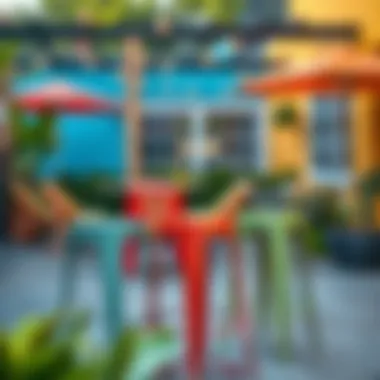
Personalized Designs
Finally, personalized designs allow consumers to add their own touch to their stools, whether through engravings or unique shapes. This option is appealing for creating custom settings that stand out and reflect personal taste.
The ability to personalize contributes to the unique charm of metal stools. However, bespoke items may come at a higher price point and could have longer lead times for production, making it essential to balance desire with practicality.
Functional Applications
The significance of functional applications cannot be underestimated when it comes to metal stools. They play an essential role in both residential and commercial spaces, merging practical use with aesthetic appeal. This section deliberately underscores the multi-faceted contributions of metal stools across various environments, making them invaluable assets to modern decor.
Home Use Case Scenarios
Kitchens
The kitchen is the heart of any home, and metal stools fit right in. Their sturdy construction means they can withstand the rigors of daily use, whether it’s families gathering for breakfast or friends sharing a drink. One of the standout features of metal stools in this space is their ease of cleaning; a quick wipe down can bring them back to their shiny self after a messier affair. Furthermore, their sleek designs can seamlessly complement cabinetry and countertops.
A key characteristic here is versatility—metal stools come in various heights. This adaptability allows them to pair well with both kitchen islands and dining tables. However, there’s a point to ponder if comfort becomes an issue. Some might find sitting on metal stools for extended periods a bit uncomfortable without added cushions.
Living Rooms
When it comes to living rooms, metal stools can serve multiple functions—from serving as side tables to providing additional seating during gatherings. Their lightweight nature makes them easy to move around, adapting to the fluid dynamics of social interactions. A prominent feature is their unique design options; they can range from industrial chic to modern minimalist, making them suitable for numerous decor styles.
Their ability to fit into tight spaces is a benefit for smaller living rooms, but it’s essential to consider how these pieces mesh with other furnishings. If done right, metal stools can elevate a space; if mismatched, they might stick out like a sore thumb. It’s a balance worth striking carefully.
Outdoor Spaces
Taking metal stools outdoors brings a delightful charm, especially for those who enjoy al fresco dining or relaxing in the garden. They hold up very well against the weather, often designed to resist rust and deterioration, making them ideal choices for porches or patios. The notable feature is the ability to choose stools that are both stylish and robust.
The benefit of outdoor metal stools is the variety available—some are designed to stack, ensuring they’re easy to store when not in use. However, be cautious of the heat on sunny days. Metal can heat up quickly, so having a cushion handy could be a wise decision for comfort.
Commercial Settings
Restaurants
In dining establishments, metal stools contribute significantly to the overall ambiance. They can create an inviting yet trendy environment, attracting customers who appreciate both style and comfort. The robust nature of metal furniture makes it durable for the hustle and bustle of restaurant life.
These stools typically feature a variety of designs, allowing restaurants to tailor their vibe. However, owners should be mindful of comfort; while sturdy, they may require cushions to ensure diners have an enjoyable experience, especially during longer visits.
Cafés
Cafés thrive on providing a relaxed atmosphere for patrons to chat or work in. Metal stools fit well within this context as they bring a modern appeal that pairs nicely with café tables. Moreover, their lightweight design allows for easy rearrangement, enabling owners to modify seating arrangements based on the crowd.
One key aspect is their potential to accentuate decor—think of vibrant colors or stylish finishes creating the right vibe. On the downside, continual movement can lead to scratches on the floor if not managed carefully, necessitating protective measures for both furniture and flooring.
Offices
Metal stools in office settings can create a casual yet polished look, perfect for collaborative spaces or waiting areas. They can promote an atmosphere that encourages creativity and influx of ideas. Notably, their clean lines and sleek forms can seamlessly integrate into both modern and hybrid workspaces, becoming a practical choice for dynamic environments.
A unique feature is their ability to double as informal seating for brief meetings or breaks. However, the same consideration regarding comfort applies here—while appealing, long hours on a metal stool might not be ideal. Adding seat pads can mitigate this, promoting a more inviting workspace.
As the integration of metal stools into various settings proves, they are not just furniture; they embody functionality and style harmoniously, addressing modern needs in design.
Styling with Metal Stools
When it comes to home decor, metal stools are not just functional pieces; they’re integral to crafting a coherent aesthetic. Their versatility allows them to seamlessly integrate into various design styles, adding character and interest wherever they’re placed. In this section, we will discuss how to effectively style metal stools by pairing them with other furniture and incorporating accessories, ensuring your spaces feel complete and inviting.
Pairing with Other Furniture
Complementing Wood Furnishings
Metal stools can create a striking contrast with wood furnishings, enriching the overall décor. The key characteristic of pairing metal stools with wood elements is the balance it strikes between warm and cool tones. Wood brings a natural warmth, while metal can provide a sleek, industrial vibe. This blend is a popular choice in many modern homes because it offers a unique interplay of textures that keeps the eye engaged.
A unique feature of this pairing is how metal stools can highlight the natural grain of wooden tables and cabinets. For example, a rustic oak dining table paired with slender metal stools can turn a simple kitchen island into a stylish gathering spot. However, one must consider that an overemphasis on sharp contrasts might lead to a disjointed look. Striking the right balance—perhaps through the use of a consistent color palette or complementary finishes—can truly elevate the visual appeal of your space.
Blending with Fabric Textiles
Blending metal stools with fabric textiles introduces an element of softness and comfort to a room. This is particularly effective in spaces like the living room or a cozy reading nook. The key here is using fabric to soften the edges and rigid appearance of metal. For instance, a soft, plush throw draped over a steel stool can make it look more inviting.
The allure of blending metal stools with various textiles is tied to the visual dialogue it creates between hard and soft elements. Earthy fabrics, such as linen or cotton, combined with sleek metal, can evoke a sense of harmony. Yet, one should be cautious about adding too many competing textures, which could overwhelm the aesthetic and make the space feel cluttered.
Contrasting Colors
Using contrasting colors with metal stools can create focal points in design schemes, drawing attention where desired. By selecting stools in bold colors, homeowners can enhance the character of a room. For example, a bright red metal stool can pop against a neutral-toned kitchen, adding unexpected vibrancy.
The unique feature about using color contrasts with metal stools is that they can serve as handy cues for designing pathways throughout a space. Colors can lead the eye across the room, creating an effortless flow. However, consider that excessive contrasts might detract from the overall harmony of your décor. The challenge lies in finding the right balance, ensuring that colors enhance rather than clash with other design elements.
Incorporating Accessories
Use of Cushions
Adding cushions to metal stools can significantly enhance comfort and style. Cushions offer a soft seating option that invites people to linger longer around counters or tables. The key characteristic here is that cushions can be easily switched out, allowing for seasonal changes or style updates without the need for significant investments. This is a beneficial aspect for those keen on keeping their décor fresh and relevant.
One unique feature of using cushions is the vast range of fabrics and patterns available—from bold prints to subtle textures. This not only adds comfort but also a splash of personality. Nonetheless, it's crucial to keep in mind that cushions require regular maintenance, as they can accumulate dust and stains over time.
Lighting Effects
Strategic lighting can dramatically change the ambiance of a space. When lighting compliments metal stools, it can highlight their design and functionality. A unique feature of well-placed lighting is its ability to create gradients of light and shadow, enhancing the sculptural quality of metal stools. For instance, pendant lights hanging above a bar with metal stools can draw attention and provide an inviting glow in the evenings.
However, careful thought should be given to avoid harsh lighting that may reflect off the metal surfaces, causing glare or uneven illumination. Properly diffused, warm light can complement metal’s cold feel without compromising comfort.
Decorative Elements
Using decorative elements presents yet another layer of creativity when styling metal stools. Accessories—like small plants, artistic trays, or unique coasters—can help bridge aesthetics and functionality. The key characteristic is that decorative elements allow for personalization of the space, offering an opportunity to express individual style.
A unique feature of incorporating decorative touches is that they can transform a stool from a simple seating option into a conversational piece. Empty stools can seem stark, while thoughtfully accessorized ones provide context and character. However, keep in mind that too many accessories can become visually exhausting, so moderation is key.
Maintenance and Longevity
When it comes to metal stools, many folks often see them simply as functional seating. However, maintenance and longevity play a crucial role in ensuring these pieces not only stay looking sharp but also last through the years. Given their various uses in both homes and commercial spaces, understanding how to care for metal stools can enhance their aesthetic appeal and durability. A little attention goes a long way in keeping them from becoming an eyesore or requiring early replacement.
Additionally, proper maintenance can greatly influence the overall atmosphere of a space. Imagine sitting in a trendy café only to find dingy stools that ruin the vibe. When metal stools are well-kept, they not only serve their purpose but also add character and charm to a room.
Cleaning Techniques for Metal Stools
Keeping metal stools clean is straightforward but requires some mindful practices. Generally, all it takes is a soft cloth and an appropriate cleaner to get rid of dirt and grime. For basic maintenance, here are a few cleaning tips:
- Use a damp cloth with mild soap to wipe the surface regularly. Avoid abrasive sponges, as they can scratch the metal's finish.
- For stubborn stains, a mixture of baking soda and water can help lift grime. Simply apply it to the affected area, let it sit for a bit, then wipe clean.
- Rinse with water and dry immediately to prevent water marks, especially if it’s stainless steel or aluminum.
By implementing these methods, metal stools can maintain their shine and clean lines, keeping your space looking fresh.
Preventive Care Tips
Rust Protection
Rust protection is an essential consideration for metal stools, especially in environments with high humidity or exposure to the elements. Utilizing protective coatings, such as galvanization or rust-resistant paints, keeps metal surfaces shielded from moisture.
One key characteristic of rust protection is its ability to significantly extend the life of the stool, making it a popular choice for outdoor or harsh conditions. Users will find that stools equipped with such protective measures have a lower risk of deterioration, maintaining their structural integrity over time. However, it's essential to periodically check for any signs of wear, as coatings can diminish and may need reapplication every few years.
Scratch Prevention
Scratch prevention is just as vital for maintaining the appearance of metal stools. Everyday use can lead to scratches that mar the smooth finish. One practical approach is using felt pads on the bottom of the stool legs, which not only protects the floor but also prevents scratches on the stools when they are moved around.
Another benefit of focusing on scratch prevention is that it helps to keep the overall aesthetic intact. Users who prioritize this often find their stools remain in showroom condition long after purchase. One downside is that neglecting this aspect can lead to rusting, especially if the protective coating is compromised.
Seasonal Maintenance
Seasonal maintenance allows for proactive care that aligns with the changing weather. For instance, at the beginning of each season, it’s a good habit to inspect metal stools for signs of wear and tear. In spring, cleaning the stools thoroughly can eliminate any dirt collected during winter.
On the flip side, during colder months, it's crucial to store stools indoors when not in use, particularly if they are made from aluminum or-treated metal, to prevent freezing and expansion. This practice can be particularly beneficial, as it adds to their longevity. However, the downside is that it requires some extra work to ensure everything remains in good shape.
"With just simple regular care, metal stools can provide years of service while looking great in any setting."
Through proper maintenance, including cleaning, preventive actions, and seasonal checks, metal stools can easily remain a staple in modern décor. Ensuring they are both functional and aesthetically pleasing is key to enjoying their versatile and stylish benefits.
Ending
The significance of metal stools in contemporary decor cannot be overstated. They embody a blend of functionality and style, making them valuable assets in both residential and commercial settings. As we have explored throughout this article, metal stools offer a remarkable versatility that few other furnishings can match. Their strong structural integrity paired with various design aesthetics means they can easily adapt to changing trends and needs.
The Enduring Appeal of Metal Stools
Metal stools charm us not just with their aesthetic range but also with their practical benefits. Let’s delve into a few key reasons why metal stools continue to be a staple in modern interiors:
- Durability: Constructed from robust materials like steel or aluminum, metal stools often withstand daily wear and tear. This makes them ideal for high-traffic areas, from bustling kitchens to active offices.
- Style Variety: Whether you're aiming for an industrial vibe with a rugged finish or a sleek minimalist look with polished aluminum, metal stools come in numerous designs and colors. This adaptability allows them to fit seamlessly into various decor styles.
- Easy Maintenance: Unlike wooden pieces that may require frequent polishing or upkeep, metal stools only need occasional cleaning with a mild detergent to retain their luster. This practicality is especially appealing for busy households or commercial spaces.
- Space Efficiency: Many metal stools are designed to be lightweight and stackable, making them perfect for smaller spaces where every square inch counts. They can be easily moved around as required, offering flexibility without compromising on aesthetics.
"In today's fast-paced world, flexibility and durability in decor are paramount. Metal stools provide just that."
In summary, the enduring appeal of metal stools lies in their combination of durability, style, easy maintenance, and space efficiency. As our environments continue to evolve, these stools remain not just functional furniture but essential design elements that enhance and elevate the aesthetic experience. Incorporating metal stools into your decor enhances not only the physical space but also reflect a modern lifestyle that appreciates both form and function.