Exploring 120 Inch Wide Outdoor Bamboo Blinds
Intro
In the domain of outdoor decor, taking an imaginative leap often starts with the addition of bold elements that embrace both function and style. Among these, 120 inch wide outdoor bamboo blinds stand out as an exceptional choice. These blinds lend not only sophistication but also practicality, inviting a nature-inspired warmth into outdoor settings like patios and decks. Given their expansive width, they effectively shield against sun glare, providing ample coverage while enhancing visual appeal.
The burgeoning interest in sustainable living propels bamboo blinds into the spotlight as they are made from a renewable resource. Homeowners and designers alike are increasingly seeking solutions that seamlessly blend aesthetics with environmental consciousness. This article dives into the myriad of aspects surrounding these blinds, guiding readers through their benefits, variances in design, installation techniques, and upkeep essentials.
By examining current trends in outdoor furnishings, along with emerging materials that enrich our environments, this guide aspires to inform and inspire individuals. Whether for a serene nook or an entertaining area, understanding the nuances of bamboo blinds can enhance any outdoor experience.
Let's embark on this exploration into the world of bamboo blinds, shedding light on what makes them a go-to choice for both seasoned decorators and adventurous DIY enthusiasts.
Prelims to Outdoor Bamboo Blinds
In recent years, the outdoor living space has gained significant importance in residential design. Homeowners are looking to enhance their external areas just as much as their interiors. This is where outdoor bamboo blinds come into play. Not only do they serve practical functions, but they also elevate the aesthetic appeal of any outdoor setting. In this segment, we will explore the significance of outdoor bamboo blinds—particularly those that span 120 inches in width—highlighting their benefits and key considerations for prospective buyers and designers alike.
Understanding Bamboo as a Material
Bamboo, often heralded for its remarkable properties, is rapidly becoming a favorite in the realm of home furnishings. Unlike many conventional wood products, bamboo is a grass that grows at an astounding rate, sometimes reaching maturity in just three to five years. This not only makes it an environmentally sustainable choice but also one that can withstand the test of time.
Bamboo's unique nature allows it to be both lightweight and sturdy, providing durability without compromising on ease of handling. It boasts a natural resistance to moisture, which is essential for outdoor applications where exposure to elements is inevitable. Furthermore, bamboo’s flexibility enables intricate designs to be woven into blinds, which can enhance the light filtering effect, creating inviting outdoor spaces.
Advantages of Inch Width
When considering outdoor bamboo blinds, the width can indeed make a world of difference. A 120-inch width offers several advantages that smaller options simply cannot match. Firstly, these wider blinds mean fewer seams, enabling easier installation and potentially a cleaner look. This is particularly beneficial for larger openings, such as patio doors or expansive windows, where smaller-sized blinds may fall short.
Additionally, wide blinds enhance light control and privacy. When fully extended, they can provide an uninterrupted view of your outdoor surroundings while blocking direct sunlight. This is particularly advantageous during the blazing summer months when excessive heat can make outdoor relaxation uncomfortable.
With their expansive coverage, 120-inch bamboo blinds can transform an entire outdoor area, creating a cohesive design scheme. Homeowners looking to maintain a sense of unity in their outdoor aesthetics often find these wider options appealing. Overall, choosing a 120-inch bamboo blind could just be the ticket to achieving that perfect blend of form and function in your outdoor space.
"Bamboo blinds not only protect against the sun but can also add a touch of elegance and style to any outdoor setting."
Functional Benefits of Bamboo Blinds
When you consider outdoor spaces, functionality plays a crucial role in enhancing the usability and comfort of that environment. Bamboo blinds, especially those that stretch to 120 inches wide, offer a range of functional benefits that make them an appealing choice for homeowners and designers alike. These advantages go beyond mere aesthetics, addressing practical concerns like light control, thermal insulation, and protection against the harmful effects of UV rays. Exploring these elements gives insight into why bamboo blinds are not just a trend but a smart, sustainable choice for outdoor applications.
Light Control and Privacy
Bamboo blinds provide an exceptional level of light control that can suit a variety of preferences. With their natural design, these blinds can be adjusted to regulate the amount of sunlight that enters a space, allowing homeowners to create a desired ambiance. When fully closed, they effectively block direct sunlight, which not only helps in maintaining a cooler environment but also enhances the privacy of the outdoor space. Unlike sheer fabrics that might allow prying eyes a glimpse inside, bamboo offers a sturdy barrier, ensuring that your private gatherings remain just that—private.
- Adjustability: Depending on how high or low the blinds are positioned, they can filter light or provide complete shade.
- Natural Texture: The aesthetics lend themselves to various outdoor styles, from rustic to modern, while keeping the practicalities intact.
Overall, light control and privacy are paramount concerns for any outdoor setting, and bamboo blinds fulfill these needs seamlessly, offering a stylish solution to keep one’s sanctuary personal and tranquil.
Thermal Insulation Properties
Another significant benefit of bamboo blinds is their thermal insulation capabilities. Bamboo as a material possesses properties that help in temperature regulation, making spaces feel cooler in the summer and retaining warmth during the cooler months. This is especially useful for locations that experience extreme temperature fluctuations.
- Reduced Energy Costs: By minimizing the need for additional cooling or heating, these blinds can help cut down on energy bills throughout the year.
- Eco-Friendly Choice: Bamboo grows rapidly and requires less water than traditional hardwoods, making these blinds both a practical and environmentally sustainable choice.
Homeowners can enjoy the outdoors comfortably while knowing they are contributing positively to the environment through thoughtful purchases. The insulating properties of bamboo blinds turn the area into a more livable space year-round.
Protection Against UV Rays
UV rays can be quite destructive, both to property and health. Bamboo blinds act as a shield against harmful UV radiation. By choosing these blinds, homeowners are not just opting for style; they are making a protective decision for their outdoor furnishings and even their skin. The material effectively blocks a significant portion of these rays, preserving the vibrancy of outdoor furniture and reducing the risk of sun-related health issues.
- Longevity of Outdoor Furniture: Continuous exposure to sunlight can cause fading and wear, but bamboo blinds help in extending the life of your patio sets, decor items, and more.
- Health Benefits: By blocking most UV rays, there's a lesser chance of sunburn or skin-related ailments for those who enjoy prolonged outdoor activities.
Design Versatility of Bamboo Blinds
Design versatility is a significant aspect of outdoor bamboo blinds. These elements are not just functional, but they also enhance the aesthetic appeal of outdoor areas. Their flexibility in design allows homeowners and decorators to adapt them to various styles—be it rustic, modern, or even tropical. Bamboo as a material offers a natural charm, complementing a variety of landscapes and architecture.


When considering outdoor spaces, one must think about the harmony between the blinds and the surrounding environment. Bamboo blinds can seamlessly blend in with natural elements, obtaining a warm and inviting appearance. Not only do they provide much-needed shade, but they also act as decorative features, contributing to the overall look and feel of any outdoor setting.
- Integration with plants: The earthy tones of bamboo can enhance greenery, turning gardens into tranquil retreats.
- Architecture alignment: These blinds match wood or stone commonly used in rustic designs, fostering a feeling of unity in the structure.
Additionally, the sheer variety in styles available on the market makes it possible to select specific weaves or colors that resonate with personal taste. Customization is also an option, offering a unique flair to cater to individual design requirements.
"A well-placed bamboo blind can act as an art piece, complementing the beauty of its environment while serving practical purposes."
Integrating With Outdoor Aesthetics
Integrating bamboo blinds with outdoor aesthetics goes beyond mere decoration. It’s about creating an environment that feels cohesive and authentic. When installed correctly, bamboo blinds can help establish zones in open-air spaces, offering privacy without sacrificing the beauty of the surroundings.
One way to achieve this harmony is by connecting the color tones of the bamboo with the existing color palette of outdoor furniture or the house. For instance, if your patio features a modern minimalist style with light colors, you might choose natural light bamboo to maintain that airy feel, while darker shades can ground heavier, more textured areas.
Furthermore, employing bamboo blinds in conjunction with other materials—such as wicker furniture, stone pathways, or even colorful textiles—can create a layered effect. This layering adds depth and visual interest, making the space more inviting and enjoyable. Think of it as putting together a beautiful outfit; the bamboo blinds are just one piece of a larger ensemble.
Color and Pattern Trends
Color and pattern trends in bamboo blinds are pivotal in defining their role in outdoor design. Traditionally, bamboo blinds showcase earthy tones, but modern designs have expanded this palette significantly. From bright hues to deep, rich colors, there’s something to cater to every taste.
- Natural Finishes: Many homeowners still favor the natural aesthetic, opting for unstained, natural bamboo that highlights the grain. This choice resonates well with eco-conscious consumers valuing authenticity.
- Vibrant Colors: Others lean towards bolder colors—think aqua, olive, or even bright orange—for a pop of fun and freshness. These tones can energize an otherwise neutral setting.
- Patterns and Weaves: Innovative design also means unique weaves and patterns. Whether it’s a geometric design or a more organic look, these patterns can transform a standard blind into a statement piece.
By staying attuned to current design movements and preferences, consumers can select bamboo blinds that not only meet functional needs but also resonate emotionally within the space. Choosing the right color and pattern can elevate an outdoor environment, capturing one’s personal style while enhancing the natural beauty inherent in bamboo materials.
Installation Techniques for Bamboo Blinds
Understanding how to properly install bamboo blinds can significantly enhance their performance and longevity. Installation is not just a series of steps; it’s about ensuring functionality and aesthetics align perfectly with the outdoor environment. Choosing the right technique can improve lighting, maintain privacy, and ensure a snug fit that endures the elements. Essentially, effective installation transforms bamboo blinds from merely decorative pieces to functional assets for outdoor spaces.
Preparing the Installation Area
Before diving into the actual installation of bamboo blinds, preparing the area is crucial. An organized space ensures that the process is smooth and efficient.
- Clear the Space: Remove any obstacles from the installation site. This may include furniture or items that could impede movement. Having a clear area not only provides better access but also minimizes the risk of damage to your belongings.
- Measure Twice: Accurate measurements are the key to a successful installation. Measure the width and height of the window or area where the blinds will be installed. It’s wise to measure multiple times to ensure precision. Bamboo blinds that are too small or oversized can result in unnecessary light gaps or difficulty in operation.
- Check for Level Surfaces: Make sure the surfaces where you'll mount the blinds are level and clean. Any unevenness can affect how the blinds operate. In some cases, using a level tool might be beneficial to confirm that surfaces are straight and true.
- Gather Tools: Assemble all required tools such as a drill, screwdriver, measuring tape, and level. Having everything on-hand saves time and helps avoid interruptions during the installation.
Mounting Method Options
Choosing the right mounting method is essential for maximizing the effectiveness of bamboo blinds. Two predominant techniques exist: Inside Mount and Outside Mount, each offering distinct characteristics and benefits.
Inside Mount
Inside mounting refers to positioning the blinds within the window frame. This method provides a clean look and allows for maximum light coverage.
- Key Characteristic: It keeps the aesthetic streamlined, letting the window frame act as a border for the blinds.
- Benefits: Ideal for smaller windows or spaces where a minimalist look is desired, it also helps in light control since the blinds fit neatly inside the frame.
- Unique Feature: With this method, the blinds are less likely to be affected by wind, which may be a significant concern in outdoor areas.
- Advantages: Easy to operate and provides better fitting, especially for odd-shaped windows. However, it may require precise measurements and might not be suitable for windows with protruding mechanisms.
"A proper inside mount minimizes visual clutter and enhances the charm of outdoor spaces with a seamless finish."
Outside Mount
Outside mounting places the blinds on the wall above the window frame, effectively covering the entire window area.
- Key Characteristic: This method extends beyond the window frame, offering a bolder appearance; it often creates a more dramatic effect in outdoor areas.
- Benefits: It’s perfect for larger windows or areas where light control is critical, as it can block light from entering around the edges of the blinds.
- Unique Feature: This installation approach can help give the illusion of taller or wider windows by simply adjusting the placement and length of the blinds.
- Advantages: Increased coverage can lead to better privacy and insulation, but it might require more wall space and could potentially call for additional hardware for support.
Using Appropriate Hardware
Utilizing the proper hardware is a pivotal part of installing bamboo blinds. Each method of mounting comes with its specific hardware needs, such as brackets, screws, and anchors. The right tools ensure that the blinds are securely held in place, minimizing wear from outdoor elements.
- Quality Matters: Use high-quality brackets and screws that can withstand the natural fluctuations outdoors. Durable materials are key to ensuring that the blinds can operate smoothly for years.
- Consider Weight: Since bamboo can be heavier than other types of blind materials, choose hardware that can support the overall weight effectively. Ensure that all components are rated for outdoor use to prevent rust and deterioration.
- Anchoring: In certain installations, wall anchors may be necessary to provide additional support, particularly in hollow walls or areas that might endure extra pressure.
Proper installation techniques, combined with the right hardware, set the stage for successfully utilizing bamboo blinds in your outdoor spaces.
Maintenance and Care of Bamboo Blinds
Importance of Maintenance and Care
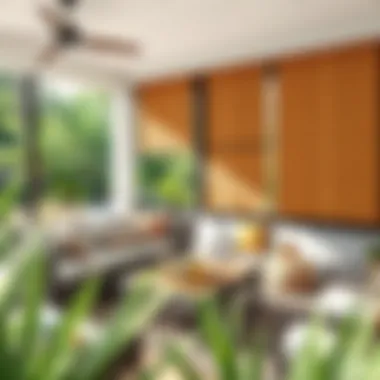
Maintaining and caring for bamboo blinds is essential to ensure their longevity and functionality. Given that these blinds are often exposed to various outdoor elements such as sun, wind, and moisture, proactive maintenance helps in preserving their aesthetics as well as structural integrity. Regular care not only enhances their appearance but also aids in protecting against damage, ensuring they continue to serve their purpose without needing frequent replacements. This section delves into specific techniques for cleaning and addressing common issues that can arise, thus extending the life of your bamboo blinds.
Cleaning Techniques
To keep your bamboo blinds looking their best, it’s crucial to establish a routine cleaning process. Regular dusting with a soft cloth or a feather duster can prevent the buildup of dirt. However, when it comes to more thorough cleaning, here are some effective steps:
- Dusting: Use a microfiber cloth to capture dust without scratching the surface. Pay special attention to the cord and pulley mechanisms.
- Vacuuming: A handheld vacuum with a brush attachment can efficiently remove dirt trapped in the slats.
- Spot Cleaning: For stubborn stains, a mild soap solution can be made with water and gentle dish soap. Dampen a cloth and gently wipe the area in a sweeping motion. Just, ensure to dry it correctly to avoid moisture damage.
Keeping these blinds clean not only improves their appearance but also maintains their functional qualities, making cleaning a worthwhile investment in their upkeep.
Addressing Common Issues
Repairs for Wear and Tear
Bamboo blinds are generally resilient, yet wear and tear is a part of life, especially in outdoor settings. Regular inspections can help spot issues such as fraying or weak spots before they escalate. If a slat becomes damaged, it can often be replaced rather than replacing the entire blind. Here’s why this option is notable:
- Cost-Effectiveness: Repairing is usually less expensive than buying new blinds.
- Eco-Friendly: It reduces waste, aligning with sustainable practices.
- Unique Feature: Each repair can be an opportunity to customize, such as adding decorative elements or paint.
The benefits of repairing underscore the value of maintenance; it allows homeowners to keep their bamboo blinds functional for a longer period without extensive costs.
Preventing Mildew Growth
Mildew can be a significant concern for outdoor bamboo blinds, especially in humid climates. The key to preventing this unwelcome development lies in proper care and environmental management.
To keep mildew at bay:
- Regular Drying: If exposed to rain, thoroughly dry the blinds afterward. Leaving them damp can encourage mildew growth.
- Use of Ventilation: Ensuring that the area where the blinds hang is well-ventilated helps in reducing moisture levels.
- Mildew-Resistant Treatments: Consider applying a suitable waterproof spray or mildew-inhibiting solution that is safe for bamboo. This can be a simple preventive measure that pays off.
The aspect of preventing mildew growth not only contributes to the visual appeal of the blinds but also enhance their lifespan. This proactive approach ensures that they remain a beautiful and functional part of your outdoor space.
In summary, regular maintenance and care cannot be overlooked when it comes to bamboo blinds. By implementing efficient cleaning techniques and addressing common issues smartly, you help ensure a longer lifespan and optimal performance of these elegant outdoor features.
For additional resources on care and maintenance of bamboo products, visit Wikipedia, and for community discussions, check out Reddit.
By focusing on these maintenance areas, you'll gain the satisfaction of knowing your outdoor bamboo blinds will serve you well for years to come.
Environmental Considerations
When talking about outdoor bamboo blinds, one can’t overlook the enormous environmental considerations they bring to the table. Emphasizing sustainability and ecological impact not only demonstrates responsible consumer behavior but also addresses the increasing global concerns surrounding environmental degradation. Understanding these aspects can enrich our appreciation for bamboo as a material and its role in enhancing outdoor spaces.
Sustainability of Bamboo
Bamboo is frequently lauded as one of the most sustainable materials on the planet. Its growth rate is remarkable; certain species can reach maturity within three to five years, much faster than traditional hardwoods that can take decades to grow. This rapid growth contributes to fewer resources wasted and encourages a more sustainable harvesting process.
Moreover, bamboo requires significantly less water compared to other crops. This characteristic makes it an ideal candidate for eco-friendly home solutions, especially in regions where water scarcity is a concern. To add to its merits, bamboo actively sequesters carbon during its life cycle, which can help mitigate climate change effects. Homeowners choosing bamboo for their outdoor blinds are making a positive statement not just in aesthetics but also for the planet.
"Bamboo blinds are not just a style choice; they represent a commitment to sustainability, making them a wise pick for environmentally-minded homeowners."
Impact on Outdoor Ecosystems
The use of bamboo blinds has ramifications beyond mere aesthetics. Bamboo plants create habitats that support other forms of life, acting as a shelter for various wildlife. Moreover, their roots help prevent soil erosion, maintaining the integrity of the surrounding landscape. This is particularly important in outdoor environments where land integrity is paramount.
Another aspect worth considering is how bamboo farming influences local ecosystems. As long as responsible cultivation practices are followed, bamboo growth does not require harmful pesticides or fertilizers, keeping the surrounding wildlife safe and sound. This balance between human needs and natural ecosystems is essential for promoting biodiversity.
In terms of connection to the outdoor living spaces, bamboo’s lightweight nature and natural beauty provide homes and businesses alike a way to blend their structures harmoniously with nature without significantly disrupting the habitat.

User Experiences and Testimonials
User experiences and testimonials play a crucial role in understanding the real-world functioning of 120 inch wide outdoor bamboo blinds. It's one thing to read specifications and marketing claims, but hearing firsthand accounts allows potential buyers to gauge the practicality and value of these blinds. Reviews can uncover specific details that might not be highlighted in sales pitches, such as longevity, upkeep, and how well these blinds hold up in different weather conditions.
When somebody opts to enhance their outdoor space, they’re not just looking for aesthetic appeal; they want a product that genuinely works for them in their environment. Testimonials help knit a tapestry of reliability, shedding light on both the strengths and the pitfalls of bamboo blinds, particularly the 120 inch variety, which can be a considerable investment in both time and money. This section aims to illuminate those real experiences, offering insights into what buyers can expect after installation.
Reviews on Product Performance
In the world of outdoor bamboo blinds, performance is often the name of the game. Potential buyers are interested in how these products hold up against various elements such as wind, rain, and UV exposure. Many users report that their 120 inch bamboo blinds effectively block out harsh sunlight while maintaining a warm, inviting atmosphere on their patios or decks. The natural texture adds an organic touch that synthetic options often lack.
Consider one user from California, who installed these blinds on their deck overlooking the beach. They noted that the blinds not only kept the area cooler during the hot summer days, but they also helped create a cozy enclave when entertaining guests in the evenings. Furthermore, users appreciate that these blinds can be easily adjusted to optimize light and privacy, providing a customizable experience depending on the time of day.
"I love how versatile my bamboo blinds are. They provide the privacy I need without completely blocking my view of the ocean!"
Despite their many advantages, there are remarks regarding the sensitivity of bamboo to moisture and humidity, particularly in coastal areas. Users have pointed out the importance of regular maintenance and applying protective treatments to ensure their longevity.
Satisfaction Ratings
Satisfaction ratings offer invaluable insight into the general consensus among users contemplating bamboo blinds. The 120 inch profile tends to be favored for larger spaces, and user feedback generally reflects a high level of satisfaction. Many ratings hover around the 4 to 5-star range, which is quite commendable.
Key aspects contributing to a positive experience often include:
- Aesthetic Appeal: Users frequently rave about how these blinds enhance the beauty of outdoor areas.
- Functionality: Many commend the dual benefits of light control and privacy that the blinds provide.
- Eco-friendliness: The sustainability of bamboo as a material resonates well with environmentally conscious consumers.
Conversely, some users give lower ratings due to issues like installation challenges or perceived fragility when subjected to harsh outdoor conditions. Nonetheless, the overwhelming trend sways towards satisfaction, suggesting that when properly cared for, 120 inch bamboo outdoor blinds are a worthwhile addition to many homes. Potential buyers would benefit from reading through these testimonials to make an informed decision that aligns with their unique outdoor needs.
In summary, testimonials and user experiences articulate not only the charm and functionality of 120 inch bamboo blinds but also the practical considerations necessary for ensuring they match the lifestyle and climate conditions of the buyer's location.
Comparative Analysis with Other Blinds
When considering outdoor bamboo blinds, it's crucial to assess how they stack up against other types of blinds available on the market. This comparative evaluation not only sheds light on their unique advantages but also helps consumers make informed decisions based on what suits their specific needs—the aesthetics of their outdoor space, functionality, or even budget constraints.
Bamboo vs. Vinyl Blinds
When you put bamboo blinds next to vinyl blinds, there’s a world of differences to explore. Bamboo, being a natural material, imparts an earthy and organic feel to outdoor settings. It allows a gentle filtering of light, creating a warm atmosphere that most homeowners adore. On the flip side, vinyl blinds are often engineered for durability and can handle the harshest weather conditions. They are easier to clean and come in various colors and designs, making them somewhat versatile.
However, bamboo’s charm lies in its texture and unique variations, whereas vinyl often comes off as more synthetic. Moreover, bamboo provides better airflow while offering decent insulation, which is a significant factor for outdoor areas. Vinyl, while strong, can trap heat more than bamboo, potentially making spaces feel stuffy during hot weather. It’s also worthwhile to note that bamboo blinds are biodegradable, making them an eco-friendlier choice, while vinyl is not – a consideration that increasingly weighs in consumer choices today.
"Opting for bamboo blinds not only enhances aesthetic appeal but also aligns with a more sustainable lifestyle."
Bamboo vs. Wood Blinds
Transitioning to wood blinds, the discussion takes another turn. Wood, like bamboo, is a natural material, bringing warmth and a classic look to any outdoor area. It shares bamboo’s strengths regarding insulation and light control but often comes at a higher price point. Additionally, wood blinds can be heavier, which might complicate installation and maintenance. On the practicality side, they might not fare well in highly humid or wet environments compared to bamboo.
Bamboo blinds, being more resistant to moisture damage, can endure the elements better than traditional wood. Moreover, bamboo’s unique patterns and grains offer a distinct aesthetic that one might describe as exotic, whereas wooden slats tend to lean toward a more rustic or classical look.
Both options provide a range of colors and finishes, but Bamboo is a better fit for those looking to stay on the low-maintenance side, as wood often requires regular sealing and treatment to maintain its appearance. In choosing between the two, consider your lifestyle and the specific environmental factors of your area.
In summary, while bamboo blinds stand out for their eco-friendliness, light-capturing qualities, and low maintenance, both vinyl and wood have their positions in the market, each serving a distinct customer need. A sound grasp of these comparisons not only helps in making an informed choice but also elevates outdoor spaces in ways that resonate with personal style and environmental consciousness.
Ending
In considering the multifaceted nature of outdoor living spaces, 120 inch wide bamboo blinds present a significant innovation in both design and functionality. This article has explored various aspects surrounding these elegant window treatments, from their environmental durability to their aesthetic appeal. It's essential to understand not only the visual impact these blinds can have on a space but also how they contribute to comfort and sustainability.
Summary of Key Insights
Reflecting on the insights gathered, certain key points stand out:
- Material Benefits: Bamboo as a resource is sustainable, offering an eco-friendly alternative that contributes positively to the environment.
- Versatility in Design: With a broad range of colors and patterns, these blinds merge seamlessly with various outdoor aesthetics, suiting both modern and traditional styles.
- Practical Advantages: The thermal insulation and light control properties provided by bamboo blinds are appreciable for maintaining a pleasant ambiance outdoors.
In sum, integrating bamboo blinds into outdoor design not only enhances visual appeal but also underscores a commitment to sustainable living.
Future Trends in Outdoor Blinds
Looking ahead, trends in outdoor blinds are notably exciting. Here are some anticipated developments:
- Smart Technology Integration: The rise of smart homes means blinds will evolve to include automation, allowing users to control light and privacy with ease.
- Innovative Design Collaborations: Collaborations between interior designers and product manufacturers will lead to unique patterns and functional designs that appeal to various user demographics.
- Increased Focus on Sustainability: As awareness of climate change continues to rise, expect more companies to innovate with recycled materials and eco-conscious processes.